Denim is one of the easiest fabrics to wear, yet casual outfits can quickly look careless. Learning how to dress casually with denim means balancing comfort, proportion, color, and personal style. A well-fitted pair of jeans can support a simple outfit, while the wrong wash or shape may make it feel dated.
This guide shares seven practical tips based on everyday dressing experience and reliable styling principles. You will see how to choose denim for your body shape, combine it with breathable basics, and add small details without creating visual clutter. Imagine straight-leg jeans with a soft white T-shirt, clean sneakers, and a lightweight overshirt. The look feels relaxed, but still intentional.
Keep it comfortable.
You will also learn when to roll denim cuffs, how to mix blue shades, and why shoe choice can change the entire outfit. Dark denim often appears polished, while faded denim creates a more relaxed impression. However, personal comfort matters more than rigid fashion rules. A trend may look excellent online but feel awkward during a long day of walking.
That honesty matters. Some combinations will not suit everyone, and even experienced dressers make poor choices. I sometimes overlook fabric weight or choose denim that restricts movement. These small mistakes reveal useful lessons. Casual dressing improves through observation, adjustment, and repeated wear. Use these tips as a dependable starting point, then adapt them to your lifestyle, climate, and confidence.
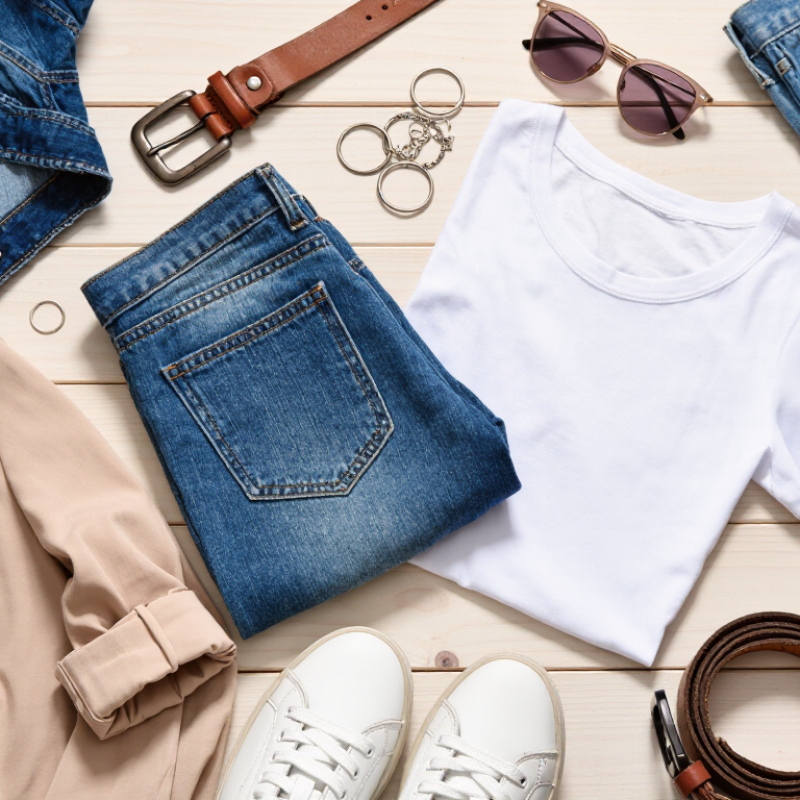
Denim works because it balances structure and ease. Its firm cotton weave gives casual clothing a clean outline without making the outfit feel formal. After years of wearing different weights and washes, I have noticed one rule: comfort changes how naturally you move. A stiff pair may look sharp, but it can distract you all day.
Proportion matters more than trends. A loose jacket and wide jeans can overwhelm a smaller frame. I still get this wrong sometimes.
Tip 5: Check the hem before leaving home. A small fold can make sneakers look intentional, while excess fabric may appear careless.
Tip 6: Add texture with cotton, wool, or canvas instead of loud details.
Tip 7: Repeat one color elsewhere, such as a muted belt or simple shoes.
Denim should support the outfit, not dominate it. Wash variation also affects mood; faded blue feels approachable, while deep indigo appears more polished. These observations are practical, not absolute. Personal comfort, climate, and daily movement should guide the final choice.
Tip: Start with the rise. A mid-rise pair usually sits comfortably without exposing your shirt when you bend. Check the seat and thighs while sitting, not only while standing.
Tip: Choose a straight or relaxed leg for an easy everyday shape. Slim denim can look polished, but it should never pinch behind your knees.
I once bought a perfect-looking pair that became uncomfortable after lunch.
Tip: Let the wash match your routine. Medium blue denim feels relaxed and works well with simple shirts or knitwear. Dark denim appears neater for casual dinners. Light washes suit warm days, but their visible fading can make outfits look less refined.
Tip: Look closely at the fade pattern. Harsh, uneven fading may distract from the fit. Subtle variation often looks more natural.
Tip: Consider fabric weight before choosing comfort. Lightweight denim feels cooler in summer, while heavier denim holds its shape better.
Tip: Test stretch recovery by bending your knees, then standing again. The fabric should return without sagging at the seat.
Tip: Walk, sit, and reach before removing the tag. If the waistband shifts constantly, the fit is probably wrong.
Tip: Keep the outfit balanced with clean sneakers, a soft overshirt, or a plain cotton tee.
Small adjustments matter.
My own preference has changed over time, and comfort now matters more than a sharp first impression.
Denim works best when it anchors an outfit without overwhelming it. I’ve learned that balance begins with fit, not decoration. Choose jeans that allow movement but do not bunch heavily at the ankles. A straight or relaxed cut often gives casual outfits a cleaner shape. Keep the top slightly structured, such as a crisp cotton shirt or a fine-knit sweater. Soft denim needs contrast.
Color also controls the outfit’s weight. Pair dark denim with lighter layers for a calm, grounded look. Pale denim can support deeper shades, earthy tones, or a muted jacket. Avoid matching every blue exactly; small differences create depth. Texture matters too. Smooth cotton, brushed wool, and canvas can make one pair of jeans feel more intentional. It is easy to over-layer.
Shoes should connect the outfit to the setting. Clean trainers suit errands, while simple leather shoes create a sharper impression without becoming formal. Show a small amount of ankle only when the proportions feel natural. A belt can repeat the shoe color, but it does not need to be identical. Add one practical layer, such as an overshirt or lightweight coat, and leave room at the shoulders. I sometimes choose a jacket that looks good alone but feels bulky with denim. That mistake taught me to test the full outfit in a mirror and sit down before leaving. The final check is simple: one strong denim piece, balanced volume, and enough comfort for real movement.
7 Easy Tips to Dress Casually with Denim
Denim becomes more polished when you treat it as a base, not the entire outfit. In my styling experience, a simple denim jacket works well over a soft cotton T-shirt and a lightweight overshirt. Leave the overshirt open for movement, or button one section for a cleaner shape. A fitted top under relaxed jeans can also balance the silhouette. Avoid adding too many thick layers, especially in warm weather. It feels bulky fast.
Color creates most of the visual interest. Try medium-wash jeans with olive, rust, cream, or muted blue layers. These shades complement denim without competing with it. A pale shirt can brighten dark jeans, while a darker sweater gives light denim more structure. I once paired three similar blue tones and expected a refined look. It appeared flat instead. Texture helped: a ribbed knit, canvas overshirt, or brushed cotton scarf added depth.
Accessories should look intentional, not crowded. A simple leather belt, compact shoulder bag, or small metal watch can define the outfit. For a casual weekend, add a patterned scarf or colorful socks. Keep one accessory unexpected. That detail often makes the outfit feel personal. Footwear changes the mood too; clean trainers feel relaxed, while sturdy boots add weight. Check the mirror while walking, not only while standing. Some combinations look good still but feel awkward in motion. That is worth noticing.
| Tip | Key Styling Focus | Recommended Combination | Best Casual Setting | Practical Guideline |
|---|---|---|---|---|
| 1. Start with a clean denim base | Fit and condition | Straight-leg or slim jeans with a plain cotton T-shirt | Everyday errands and relaxed weekends | Choose jeans that allow comfortable movement and have a neat hem without excessive pooling. |
| 2. Add one lightweight layer | Texture and proportion | Denim jeans, a T-shirt, and an open overshirt or casual cardigan | Transitional weather and casual meetups | Use a thinner top layer so the outfit remains comfortable and avoids looking bulky. |
| 3. Balance denim washes | Contrast | Dark-wash jeans with a light top, or light-wash jeans with a darker layer | Daytime outings and informal dinners | Create visible contrast between the denim and upper body instead of matching similar washes head to toe. |
| 4. Introduce one accent color | Color coordination | Blue denim with a rust, olive, mustard, burgundy, or soft pastel top | Social gatherings and creative casual environments | Keep the accent color to one main garment, then repeat a small detail in an accessory if desired. |
| 5. Use shoes to set the mood | Formality and comfort | Low-profile sneakers for relaxed looks, or clean loafers and ankle boots for a polished finish | From walking days to smart-casual plans | Match the shoe shape to the jean cut; slimmer footwear works well with tapered jeans, while chunkier shoes suit wider legs. |
| 6. Add simple accessories | Finishing details | Leather or fabric belt, watch, compact bag, and understated jewelry | Travel, coffee dates, and casual office settings | Select two or three accessories so the outfit looks intentional without becoming visually crowded. |
| 7. Finish with weather-ready layers | Function and versatility | Denim jeans with a light jacket, scarf, overshirt, or knit sweater | Cool mornings, outdoor plans, and changing temperatures | Choose removable layers that can be carried easily when the temperature rises. |
Styling principle: keep the base simple, add one layer, introduce controlled contrast, and finish with practical accessories.
Adjusting denim for different casual occasions starts with fit, fabric, and small styling changes. For a relaxed weekend, straight-leg jeans with a soft cotton T-shirt feel comfortable and practical. Add clean sneakers and a lightweight overshirt for changing weather. I usually choose medium or dark denim when meeting friends because it looks neat without feeling formal. Very distressed jeans can appear careless in some settings.
Pale washes suit outdoor lunches, errands, and holidays. Darker washes work better for casual dinners or informal office environments. Check the venue before dressing. A small detail matters.
For a creative workplace, try dark denim with a tucked-in knit shirt and simple leather shoes. Keep the shirt structured, but avoid stiff tailoring. On a casual date, slim or relaxed jeans can work with a textured sweater and clean low-profile footwear. Leave one layer open to create a natural shape. I once wore an oversized jacket with wide jeans, and the proportions felt heavier than expected.
Wide jeans need a shorter or closer-fitting top, while slim jeans pair well with relaxed layers. For travel, prioritize stretch, secure pockets, and breathable fabric. Roll the cuffs only when the hem stays tidy and the shoes support the look. Denim should fit comfortably when sitting, not only when standing.
Its firm cotton weave gives clothing a clean outline. It feels relaxed without looking careless. Comfort still matters more than appearance.
Straight or relaxed cuts usually allow easier movement. Check the seat and thighs while sitting. Standing alone can mislead you.
A mid-rise pair usually stays comfortable when bending. The waistband should not shift constantly. Try walking, sitting, and reaching before buying.
Medium blue works well for errands and friendly gatherings. Dark denim looks neater for casual dinners. Pale washes fit warm days and outdoor lunches.
Bend your knees, sit down, and walk several steps. The fabric should recover without sagging at the seat. If it pinches, reconsider.
Pair wide jeans with a shorter or closer-fitting top. Relaxed layers suit slimmer jeans. Proportion matters more than trends.
Check the hem before leaving home. A small fold can frame clean sneakers. Repeat one muted color through shoes or a belt.
Dark denim with a tucked knit shirt can suit a creative workplace. A textured sweater works for a casual date. Travel needs stretch, breathable fabric, and secure pockets. I once chose too many loose layers. The result felt heavy.
Learning how to dress casually with denim starts with understanding why it works so well: denim is practical, versatile, and easy to style for everyday life. The key is choosing a fit that feels comfortable and suits your body, along with a wash and fabric weight that match the season and occasion. Slim, straight, relaxed, or wide-leg options can each create a different mood, while lighter washes feel more laid-back and darker shades appear slightly more polished.
A balanced denim outfit combines simple tops, suitable footwear, and thoughtful proportions. Add layers such as shirts, sweaters, or lightweight jackets to create depth, then use colors and accessories to express personal style without making the look feel crowded. Denim outfits can be adjusted for different casual occasions by changing the level of structure, layering, and accessories. With these easy tips, denim becomes a reliable foundation for relaxed, comfortable, and confident dressing.

DAVERA Fashion