Finding the perfect pair of jeans can transform your wardrobe. However, many struggle with how to choose the right fit for jeans. The vast variety of styles and cuts can be overwhelming. Each style has its unique features, tailored for different body shapes.
Understanding your body type is crucial. Jeans that fit well can enhance your silhouette. Take time to explore options like skinny, bootcut, and relaxed fits. Try on various styles before making a decision. Sometimes, what looks good on the rack may not flatter your shape.
Pay attention to fabric and stretch, too. Quality denim can change how jeans feel and fit on your body. You might even find yourself reflecting on past purchases. What worked? What didn’t? Each experience shapes your understanding of finding a flattering fit. Let’s dive deeper into this journey of discovering the ideal jeans for you.
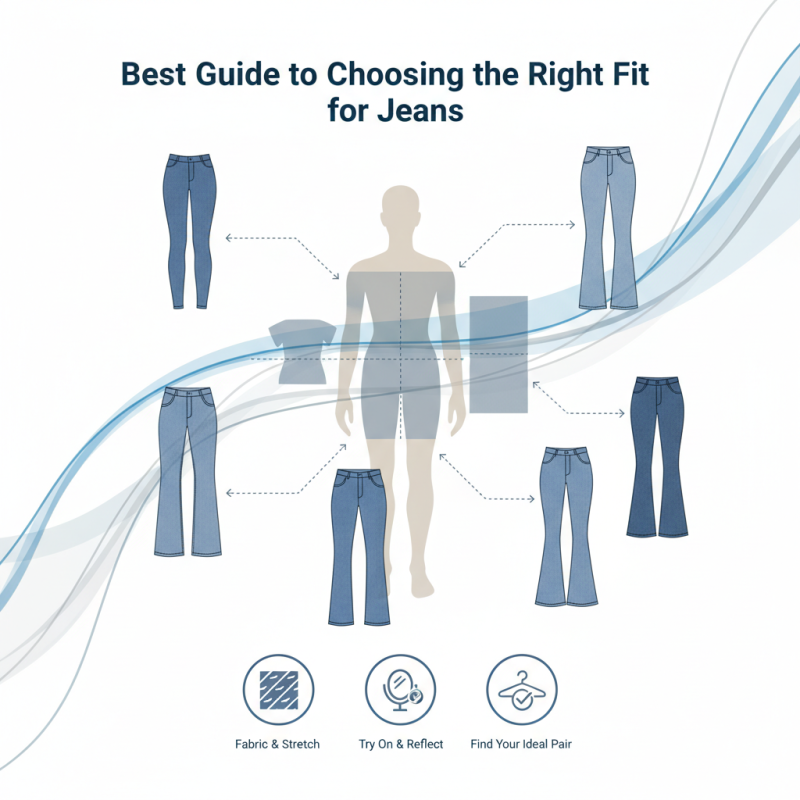
Choosing the right fit for jeans can be daunting. With various styles available, understanding their characteristics is essential. A report from the Denim Manufacturers Association indicates that nearly 60% of consumers struggle to find a perfect fit. This highlights the importance of knowing the differences between styles.
Skinny jeans are tight from waist to ankle. They enhance the silhouette but can restrict movement. Straight-leg jeans provide a balanced fit, suitable for various body types. They provide comfort while maintaining a polished look. Bootcut jeans are fitted through the thigh and flare out at the knee. This offers more room for those who prefer a looser fit at the bottom.
**Tips for Choosing Your Jeans:** Always consider the material. Denim with a small percentage of elastane can offer flexibility. Pay attention to the rise. High-rise jeans often provide more support and comfort. Remember to try different sizes. Not every style runs true to size, so adjustments may be necessary. Finding the right pair will positively impact your confidence and comfort. Reflect on your body type and choose accordingly, as this will significantly enhance your overall look.
Finding the perfect fit for jeans often starts with understanding your body measurements. Begin by gathering a soft measuring tape. Measure your waist at the narrowest point, usually just above the belly button. For your hips, measure the fullest part. These numbers are key.
Many people struggle with fitting jeans. Sizes can vary dramatically between styles. It's not uncommon to try on several pairs before finding the right one. Keep in mind that jeans may also fit differently based on fabric and cut.
Don't shy away from trial and error. Taking a few minutes to measure accurately can save hours in a store. Remember, the perfect jeans should feel comfortable and flattering. It's about finding what suits you, rather than following trends. Embrace the process; it’s part of discovering your unique style.
When selecting the right jeans, the choice of fabric and stretch plays a crucial role. Denim comes in various blends, which can influence fit and comfort. A report by the Global Denim Market states that 74% of consumers prioritize comfort when choosing jeans. This highlights the need for stretchy materials. A good blend often contains cotton, polyester, and a small percentage of elastane. This combination allows the fabric to maintain its shape while providing flexibility.
Understanding the differences in fabric weight and stretch percentage can be overwhelming. Lightweight denim is often more breathable, suitable for warmer temperatures. Heavier fabrics, while durable, can feel restrictive. Interestingly, a study revealed that 63% of people regret purchasing jeans that were too rigid. This points to the importance of trying jeans on and assessing their stretch. Remember to bend and sit while wearing them to truly evaluate comfort.
Deciding on the right fit is not only about style but also about practicality. Some prefer a high-rise fit for better support, while others might lean towards a mid-rise style for versatility. Choosing jeans should involve personal reflection on how they make you feel. A focus on fabric and stretch leads to a more informed decision, ensuring that the jeans will suit your lifestyle needs.
When trying on jeans, focus on more than just the size. Fit is crucial. Examine how the fabric interacts with your body shape. Do the jeans hug your curves well? Or do they sag in places? Look for uneven gaps, especially at the waist or thighs. These can signal that the fit isn’t right.
Pay attention to the rise. Low-rise jeans can create discomfort if you're not used to them. Mid-rise offers a better balance for many body types. Test the stretch by sitting down. How do the jeans feel when you bend? If they pinch or restrict movement, they aren't the right choice.
Also, check the length. Jeans that are too long can create bunching, while those that are too short may look awkward. Consider the style you want. It’s not just about comfort; appearance matters too. Sometimes, alterations can make a difference. Reflect on whether you want a casual look or something more polished. It's okay if you don’t find the perfect pair right away; sometimes, it takes time and patience.
| Fit Type | Key Features | Ideal Body Type | Styling Tips |
|---|---|---|---|
| Slim Fit | Narrow through the leg, tapered ankles | Athletic to Slim body types | Pair with fitted tops for a balanced look |
| Regular Fit | Straight cut, comfortable fit | All body types | Versatile; works well with various styles |
| Loose Fit | Relaxed through the thigh and leg | Larger body types | Ideal for casual, comfortable looks |
| Bootcut | Fitted through the knee, flares at the hem | All body types | Great with boots and flared shoes |
| Wide Leg | Loose fit through the entire leg | Tall and Slim body types | Style with a fitted top to balance proportions |
Choosing the right jeans involves more than style; it’s about care. A well-chosen pair enhances your look, but neglecting care leads to quick deterioration. Regular washing can fade colors and weaken fibers. Stains should be treated promptly, as they can become permanent.
Temperature is crucial when washing. Cold water helps preserve color. Avoid the dryer; air drying maintains fit and quality. Over time, wear and tear is inevitable. Inspect seams and fabric for thinning areas. Patch small tears before they worsen.
Personal preferences also shape how you care for jeans. Some prefer distressed styles, while others like a clean finish. Embrace imperfections in both your jeans and your choices. Every scuff or fade tells a story. Reflect on how your jeans evolve with you, adapting to your lifestyle and choices.
This chart illustrates the preferred fit of jeans among consumers in 2026, focusing on popular styles and their respective percentages for better insight into current trends.
: The right fabric influences comfort and fit. Stretchy materials are often preferred for flexibility.
Try bending and sitting in them. If they restrict movement, they may not be the right choice.
Look at fit, rise, and length. Ensure they hug curves without sagging or leaving gaps.
Mid-rise often offers a balance for different body types, while low-rise can feel uncomfortable.
Wash with cold water, avoid the dryer, and treat stains promptly to prevent fading.
Yes, sometimes alterations can improve fit and style, making your jeans look polished.
Neglect leads to fading and weakening. Regular inspection can prevent small issues from worsening.
Yes, choosing the right pair takes time and reflection on your personal style and comfort.
Lightweight denim is breathable for warm weather; heavier denim can be durable but feels restrictive.
Your taste in distressing or clean finishes influences how you select and care for your jeans.
Choosing the right fit for jeans can significantly enhance both comfort and style. To begin, it's crucial to understand the various jean styles available, which each have unique fit characteristics suitable for different body types. Measuring your body accurately is the next step, as it ensures you select the right size that complements your figure. Additionally, paying attention to the fabric and stretch of the jeans will help you find options that provide both comfort and flexibility.
When trying on jeans, look beyond the size label; focus on how they fit in different areas such as the waist, hips, and thighs. Take note of how the jeans move with your body. Lastly, proper styling and care can prolong the life of your favorite pairs, making your choice last longer. By following these guidelines on how to choose the right fit for jeans, you can make informed decisions that enhance your wardrobe.

DAVERA Fashion