Travel days can involve a chilly airport, a warm train, and several hours of walking before dinner. The right shorts should handle those changes without digging in, bunching at the waist, or keeping you damp. Comfort matters. For 2026, this guide looks at practical features rather than chasing one supposedly perfect pair: breathable fabric, secure pockets, a comfortable waistband, and a length that suits your plans. A lightweight stretch blend may work well for city walks, while quick-drying fabric can be useful on humid trips or near the water.
So, what shorts are suitable for travel? It depends on your destination, activities, and personal fit. A pocket that closes can help keep a room key or transit card secure, but too many bulky pockets may feel awkward when seated. Before choosing, check the garment’s fabric details, care instructions, and fit measurements; product names alone do not tell the whole story. Consider whether the shorts still feel comfortable after a long walk, and whether they dry easily after washing overnight. Fit changes everything. Even a well-reviewed pair can rub at the inner thigh or feel restrictive after a large meal. This overview will compare useful styles and explain what to look for, so you can choose shorts that fit your itinerary—not just a product photo.
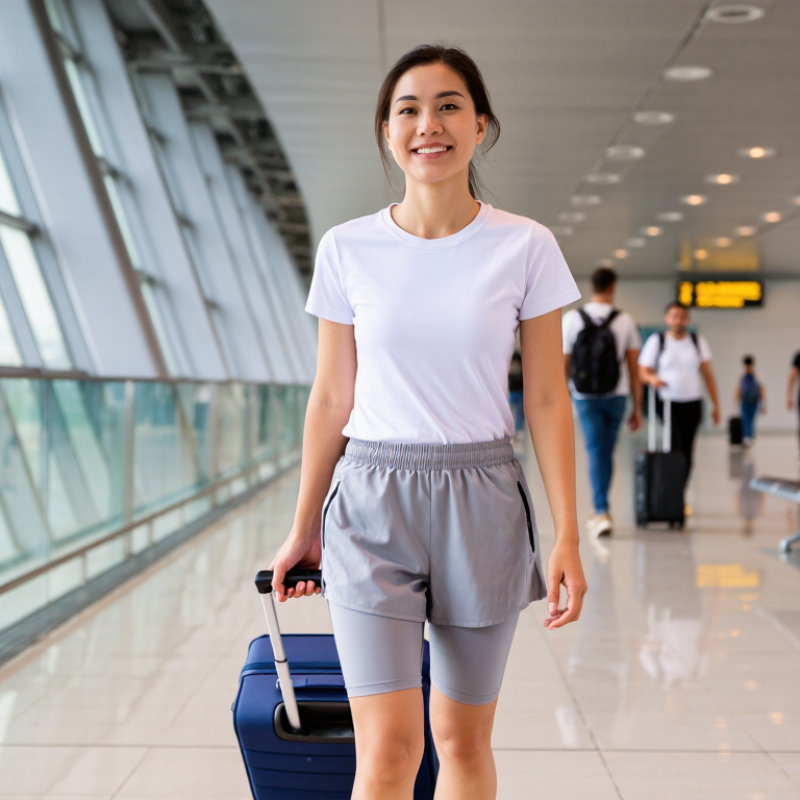
Travel-ready shorts in 2026 are less about clever features than dependable comfort across changing days. A good pair should dry quickly after a sudden shower and still feel soft on a long train ride. Look for breathable fabric with enough structure to resist clinging in warm weather. Stretch helps when climbing stairs or sitting for hours, but too much can leave the shorts sagging by evening. Check the waistband and seams when you try them on. Small details matter. A smooth inner seam can reduce rubbing under a daypack, while a secure pocket helps keep a room key from slipping out.
The best length depends on your route, weather, and personal comfort. Shorts that feel fine on a city walk may ride up on a bicycle or feel exposed in a crowded station. Try sitting, bending, and walking in them before packing. Travel is messy. You might spill coffee or wear the same pair longer than planned, so easy washing and quick drying are practical advantages. Still, “quick-dry” fabric can feel clammy if it lacks airflow. That trade-off is easy to overlook. Choose pockets that lie flat and do not bounce when full; oversized cargo pockets can add bulk where a seat belt or backpack strap presses. A little restraint often works better than a feature for every imagined problem.
For travel, fabric matters more than a long list of features. Lightweight nylon or polyester blends usually dry faster than cotton after a sudden shower or a hand wash in a hotel sink. They can also resist abrasion from seat edges and crowded trains. Cotton feels soft in dry weather, but damp hems may stay uncomfortable for hours. Linen breathes well, though it wrinkles easily in a packed bag. Trade-offs are real.
A small amount of stretch helps when climbing stairs, sitting through a long ride, or lifting a carry-on. Look for a waistband that stays comfortable after meals, plus a gusseted crotch that reduces pulling. Deep front pockets are useful, but loose valuables can slip out when you sit. A zippered pocket helps. Not every pocket needs a zipper. Check pocket placement while seated, not just in front of a mirror.
For sunny destinations, consider fabric with a stated UPF rating; a tightly woven fabric alone is not a guarantee. Quick-dry claims are useful, but fabric weight and ventilation affect comfort too. I’d test shorts with a full day of walking before relying on them for a trip. That test can be inconvenient. Still, it may reveal a scratchy seam or a waistband that rolls under a backpack belt.
In hot, humid places, lightweight woven shorts with a quick-drying finish suit beach days, ferry rides, and sudden showers. Look for a waistband that stays comfortable when damp and pockets that close securely without adding bulk. Airflow matters. For hikes in dry heat, choose a slightly longer cut and a fabric that resists snagging on brush. Very thin material can feel cool, but it may offer little protection from rough trails or strong sun.
Cooler trips call for midweight shorts, or a stretch-woven pair that works with a light layer. They suit city walks, mild evenings, and active travel where jeans feel too warm. For cycling or long walks, check that the hem does not rub your thighs; a small fit issue can become tiresome after several hours. Cargo pockets help on outdoor routes, though bulky pockets can bounce when full. For flights, soft, unrestrictive shorts are comfortable, but bare legs may feel chilly under strong cabin air. A light overshirt or trousers in your day bag can help. There is no perfect pair for every trip, and packing only shorts can be an awkward gamble when the forecast changes.
| Shorts Type | Best-Suited Trips | Typical Climate | Useful Materials and Features | Trade-Offs |
|---|---|---|---|---|
| Lightweight hiking shorts | Day hikes, nature walks, and active sightseeing | Warm or hot conditions; useful where quick drying matters | Light synthetic woven fabric, secure pockets, a comfortable waistband, and a modest amount of stretch | May offer less protection from sun, insects, brush, and cold than long trousers |
| Stretch woven travel shorts | City breaks, transit days, and mixed sightseeing itineraries | Mild to hot weather, depending on fabric weight and fit | A nylon or polyester blend with elastane, a clean appearance, and pockets that close securely | Some technical fabrics can feel less breathable or look more casual than cotton or linen |
| Linen or linen-blend shorts | Relaxed city travel, coastal holidays, and warm-weather dining | Hot, humid, or breezy conditions | Breathable linen or a linen-cotton blend; a relaxed fit can improve airflow | Linen wrinkles readily and may take longer to dry than lightweight synthetic fabric |
| Cotton chino shorts | Casual urban trips, museums, and informal meals | Dry, mild to warm weather | Cotton twill offers a structured look; a small amount of stretch can make walking more comfortable | Usually dries more slowly than lightweight synthetic shorts and may feel heavy when wet |
| Running shorts | Running holidays, workouts, and very active travel days | Warm or hot weather; some designs also suit indoor exercise | Lightweight moisture-wicking fabric, a breathable liner, and a drawcord waist | Often too athletic-looking for dressier settings and may have limited secure storage |
| Swim shorts | Beach trips, pool days, and water-based activities | Warm conditions, especially when swimming is part of the itinerary | Quick-drying synthetic fabric, a secure drawcord, and pockets with drainage or secure closures | May not provide the fit, support, or appearance preferred for long walking days |
| Longer walking shorts | Extended city walks, family travel, and destinations where extra coverage is preferred | Warm weather, with fabric weight chosen for the humidity and activity level | A longer inseam, breathable fabric, and a comfortable fit that does not restrict movement | Can feel warmer than shorter, looser styles in hot and humid conditions |
Climate guidance is general: humidity, wind, shade, activity level, and local dress expectations can affect comfort. For cool, rainy, or high-altitude trips, consider lightweight trousers or pack a layer rather than relying on shorts alone.
Choosing the right travel shorts begins with your itinerary. For a humid city, lightweight fabric that dries quickly can feel more comfortable after a sudden shower. For cooler evenings or long bus rides, a slightly heavier pair may offer better coverage. Think about fit, too: shorts should let you climb stairs, sit for hours, and walk without the waistband digging in. Try them with the belt or day bag you plan to carry. Small details matter.
Pockets are useful, but bulky ones can press against your leg when you sit. Look for secure closures on pockets holding a room key or transit card, and keep valuables elsewhere. A stretch panel can help with movement, while a breathable lining may reduce clamminess in warm weather. Check the care label and fabric feel before packing. Some quick-drying materials feel slick against skin; comfort is personal, and I would not ignore that trade-off.
Tips: Walk, squat, and sit in the shorts before your trip. Pack one versatile pair, not just the pair that looks best. No shorts suit every climate, and sometimes the most practical choice is not the most stylish one.
Pack travel shorts only when completely dry. Fold one pair flat at the bottom of your bag, then roll a lighter pair around a soft shirt to save space. Keep a small reusable bag for worn clothes, but do not seal damp fabric inside it for days. That sour smell is hard to ignore. For a multi-day trip, two quick-drying pairs often work better than several heavy cotton pairs, especially when you can rinse one overnight. Check seams and pockets before washing; coins and grit can damage fabric or leave marks.
Care affects how long shorts stay useful. WRAP’s 2012 Valuing Our Clothes report estimated that extending a garment’s active life by nine months could reduce its carbon, water, and waste footprints by around 20–30%. That finding applies to clothing broadly, not specifically travel shorts, but it supports washing less aggressively and repairing small faults. Use cold water when the care label allows it. The U.S. Department of Energy notes that heating water accounts for about 90% of a washing machine’s energy use. Air-dry shorts in shade when possible; strong sun can fade some dyes, and high heat may stress elastic waistbands. I would still check the label first—fabric blends vary, and one convenient rule will not fit every pair.
Care labels may specify maximum wash temperatures such as 30°C, 40°C, or 60°C. These are label settings, not fabric-specific recommendations—check each pair of shorts before washing. For travel, pack shorts clean and fully dry, and follow the care label to help keep them in good condition.
Lightweight nylon or polyester blends dry faster than cotton after rain or a sink wash. They also handle friction from train seats. Cotton feels soft, but damp hems can stay uncomfortable. Trade-offs matter.
A little stretch helps with stairs, long rides, and lifting a carry-on. A comfortable waistband and gusseted crotch can reduce pulling. Try sitting down before packing them.
Deep pockets are handy, but loose items can slip out when you sit. Use a zippered pocket for keys or a transit card. Check pocket placement while seated.
Check for a stated UPF rating; tightly woven fabric alone does not guarantee sun protection. Ventilation and fabric weight also affect comfort. Test the shorts on a full walking day if possible.
Choose lightweight woven shorts that dry quickly and feel comfortable when damp. Secure pockets help on ferry rides and beach days. Airflow matters.
For dry hikes, a slightly longer, snag-resistant pair can offer more coverage. For cycling, check that the hem does not rub your thighs. Midweight stretch-woven shorts suit cooler walks, though full pockets may bounce.
Two quick-drying pairs may be enough for a multi-day trip if you can rinse one overnight. Pack them dry, and keep worn clothes in a separate reusable bag. Damp fabric sealed away can develop a sour smell.
Check the care label, wash gently, and use cold water when allowed. Air-dry in shade when practical; high heat may stress elastic waistbands. Small repairs can help, though one care rule will not suit every fabric blend.
The best travel shorts in 2026 balance comfort, practicality, and versatility. Look for a fit that allows easy movement without feeling bulky, plus useful details such as secure pockets, an adjustable waistband, and quick-drying, breathable fabric. Lightweight materials can help in hot, humid weather, while a sturdier weave may suit cooler days or active outings. The right choice depends on your plans: casual styles work well for city breaks, while flexible, moisture-managing shorts are useful for hiking or long travel days. Considering what shorts are suitable for travel means matching the fabric, length, and features to both the climate and your itinerary.
Before packing, choose shorts that coordinate with several tops so you can create more outfits with fewer items. Roll or fold them neatly to save space, and follow the care instructions when washing. Quick-drying options are especially convenient on longer trips, since they can be washed and worn again with minimal downtime.

DAVERA Fashion