Best Tips to Fix Why Do My Jeans Feel Uncomfortable?

Time:2026-07-03 Author:Liam
0%

Many of us have experienced the discomfort of wearing jeans. You may wonder, "why do my jeans feel uncomfortable?" This feeling can stem from various factors. It could be the fabric, fit, or even how you decided to style them.

Jeans made from stiff or low-quality fabric may irritate the skin. The wrong size can lead to pinching or squeezing at the waist and thighs. It's vital to consider how often you wear them and their care. Over time, jeans can stretch or shrink, affecting comfort.

Reflecting on your choices can help. Did you prioritize style over comfort? Sometimes, a fashionable pair may not be practical for daily wear. Understanding these aspects can guide you to better-fitting jeans in the future.
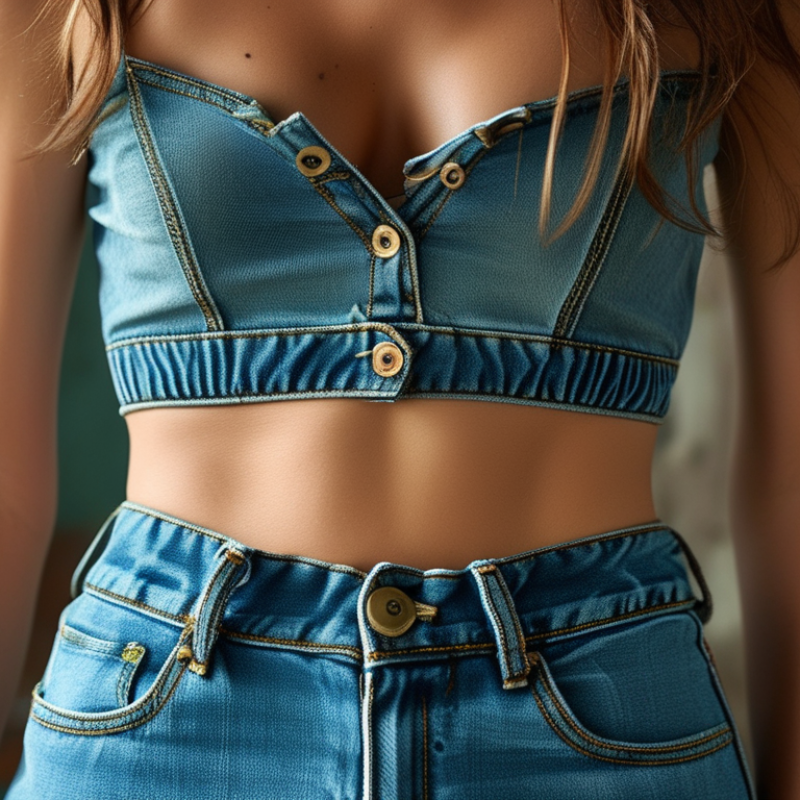
Best Tips to Fix Why Do My Jeans Feel Uncomfortable?

Understanding the Common Reasons Why Jeans Feel Uncomfortable

Jeans often feel uncomfortable for various reasons. The fit is crucial. If your jeans are too tight, they restrict movement. This discomfort can cause chafing or pinching, especially during activities like sitting or walking. Consider how the waistband feels. A tight waistband can dig into your skin and create irritation.

Fabric choice plays a significant role too. Stiff denim lacks stretch and can be hard to wear for extended periods. Look for jeans made with a blend of materials that offer flexibility and comfort. Sometimes, heavy fabric can add warmth but might also lead to overheating.

Additionally, take note of the rise of your jeans. A low rise may not provide enough support, while a high rise can feel constricting. Proper sizing is critical. Even if the size seems right, a poor cut might not suit your body shape. Adapting your jeans to include alterations could improve comfort. Reflect on how you feel in different styles, and don’t hesitate to try on multiple options before deciding.

Factors Contributing to Uncomfortable Jeans

Identifying the Right Fit: Exploring Size and Style Choices

Finding the right fit when it comes to jeans is crucial for comfort. A well-fitting pair should provide enough room for movement while still hugging your body shape. Many people choose jeans based on their size alone, overlooking style choices that affect comfort. For instance, skinny jeans may look fashionable but can become uncomfortable if overly tight. Consider straight-leg or relaxed-fit options for a more laid-back feel.

Pay attention to the fabric as well. Jeans made from stretchy material can adapt to your body shape better than rigid denim. Check for the rise as well; a mid-rise or high-rise style can help in avoiding uncomfortable pinching around the waist. If jeans are too tight in the hips or thighs, they can cause discomfort throughout the day. Always try on different fits and styles before making a purchase.

It's important to acknowledge that not every pair will feel perfect right away. Some jeans might require a little breaking in. However, if discomfort persists, it may be worth reflecting on your size and style choices. Finding your ideal jeans might take time and patience, but comfort and style are always worth the effort.

Best Tips to Fix Why Do My Jeans Feel Uncomfortable? - Identifying the Right Fit: Exploring Size and Style Choices

Size Style Comfort Level Common Issues
28 Skinny Low Tight at the waist
30 Bootcut Medium Loose around hips
32 Straight High Gaping at the back
34 Wide Leg High Baggy, lacks definition
36 Relaxed High Too long or dragging on the ground

Material Matters: Choosing Fabric for Comfort in Jeans

When it comes to jeans, material selection plays a significant role in comfort. Denim fabric varies widely. Some jeans may use rigid, thick denim that can be uncomfortable. Others blend cotton with elastane for a softer feel. Thus, understanding fabric composition is crucial.

High-quality jeans often contain breathable materials. Look for cotton-rich blends that allow for movement. Lightweight options can prevent overheating. Pay attention to the weight of the fabric. Heavier denim can feel restrictive, especially in hotter climates. Try to choose jeans that feel soft against your skin.

It’s also important to assess the fabric finish. Some jeans may have added treatments, like stone washing or distressing. These finishes can affect comfort too. While it’s tempting to prioritize style, comfort should not be overlooked. Remember, jeans should support your lifestyle, not hinder it. Be mindful of how different fabrics interact with your body.

Care Instructions: How Washing and Drying Affect Your Jeans

When it comes to jeans, how you wash and dry them can make a significant difference in comfort. Hot water can cause denim to shrink, which may lead to tightness. Always check the care label. Cold water is often better, maintaining size and flexibility. Avoiding excessive agitation also helps preserve the fabric's integrity.

Drying methods are equally important. Air drying is gentler on denim, allowing it to breathe and retain shape. Tumble drying can lead to unwanted shrinkage, especially on higher heat settings. If you choose to use a dryer, select low heat. This will soften the fabric while minimizing shrinkage.

Take note of how your jeans fit after washing. You may notice changes in comfort or tightness. If your jeans feel stiff, consider using fabric softener or adding vinegar during the rinse cycle. These methods may help relax the fibers. Regularly re-evaluating your laundering process can lead to improvements in comfort over time.

Adjustments and Alternatives: Solutions for Uncomfortable Jeans

Uncomfortable jeans can ruin your day. Sometimes, it’s not the fit, but how they sit on your body. If your jeans pinch at the waist, consider a waistband extender. This simple tool offers extra room without losing style. You can also try a fabric softener to make the material more pliable. Softening the fabric can ease the tension on your skin.

Another option is adjusting the fit. Explore different styles. High-waisted, mid-rise, or low-rise jeans impact comfort. A looser fit can relieve pressure points, while stretch fabric can adapt better to your shape. Look for jeans labeled as "curvy" for a more forgiving cut. Denim does not have to be rigid; different blends can provide flexibility.

If you still find discomfort, consider alternatives. Culottes or wide-leg trousers can offer a stylish change. Leggings are another comfy option. They provide flexibility and ease throughout the day. Reflect on your daily activities when choosing pants. Comfort should not be overlooked. In the end, the goal is to feel good while looking good.

FAQS

: How do I know if my jeans fit properly?

: A good pair of jeans should allow for movement and fit snugly without being overly tight.

What styles should I consider for comfort?

Options like straight-leg or relaxed-fit jeans often provide a more relaxed feel than skinny styles.

Does fabric choice matter in jeans?

Yes, jeans made with stretchy materials can offer better comfort than rigid denim.

How can the rise of jeans affect comfort?

Mid-rise or high-rise jeans help prevent uncomfortable pinching around the waist area.

What care practices can improve the comfort of my jeans?

Wash in cold water to maintain flexibility and avoid hot water that can cause shrinkage.

How does drying method affect jeans?

Air drying is gentler and helps retain shape, while tumble drying may cause unwanted shrinkage.

How can I keep my jeans soft after washing?

Consider using fabric softener or vinegar in the rinse cycle to help relax stiff fibers.

What should I do if my jeans feel uncomfortable?

Reflect on your size and style choices, as some jeans may need breaking in.

How often should I re-evaluate my jeans' comfort?

Regular evaluation after washing can lead to adjustments that improve comfort over time.

Can jeans with added treatments affect comfort?

Yes, finishes like stone washing may change how comfortable the jeans feel against your skin.

Conclusion

When faced with the question "why do my jeans feel uncomfortable," several factors come into play. First, understanding the common reasons behind discomfort can help alleviate issues, such as poor fit or fabric types. Identifying the right fit is crucial; exploring different sizes and styles can significantly enhance comfort. Additionally, the choice of material is vital—denim composition influences how the jeans feel against the skin.

Moreover, proper care instructions are essential, as washing and drying methods can affect the fabric's elasticity and fit over time. Lastly, if discomfort persists, considering adjustments or alternative options can lead to a better jean-wearing experience. By addressing these elements, one can effectively tackle the mystery of uncomfortable jeans.

Liam

Liam

Liam is a dedicated marketing professional with a profound expertise in the industry, where he excels at highlighting the unique advantages of our core products. With a keen understanding of market trends and consumer needs, Liam frequently updates our company’s professional blog, providing......