What trousers are best for work outfits? The answer depends on your workplace, your commute, and how your clothes feel after a full day. A polished pair should look intentional at a desk, in a meeting, and on the walk between them. Think of charcoal straight-leg trousers with a clean crease, or navy wide-leg pants that skim your shoes without dragging. Small details matter: a waistband that stays comfortable when seated, pockets that lie flat, and fabric that resists creasing can make a noticeable difference.
Coco Chanel, the influential fashion designer, is often credited with saying, “Fashion is architecture: it is a matter of proportions.” That idea offers a useful starting point for choosing work trousers. A tapered cut can balance a longer blazer, while a fuller leg may sit more naturally with a fitted shirt. Still, proportions are not a strict formula. They depend on the wearer, the garment, and the setting. A style that looks sharp in a studio photograph might feel awkward on a crowded train. Fit matters more than trend.
This guide considers practical options, including tailored trousers, chinos, and wide-leg styles, alongside fabric, rise, color, and footwear. It also looks at common mistakes, such as hems that pool at the ankle or waistbands that pinch by mid-afternoon. There is no single perfect pair. Some days, even a well-chosen outfit needs adjusting.
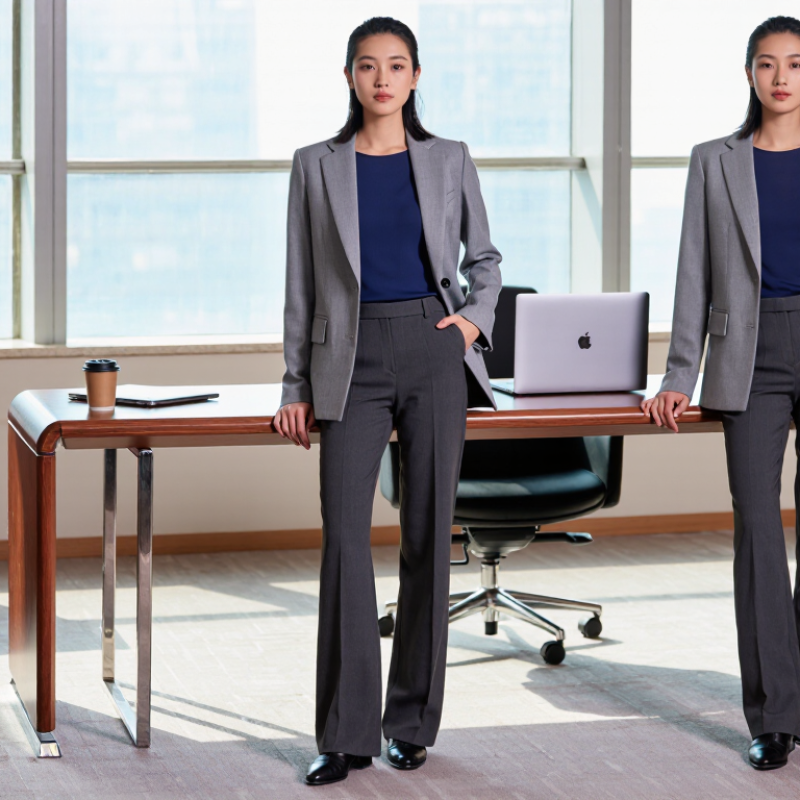
What Trousers Are Best for Work Outfits?
What Makes Trousers Suitable for Work?
Work-ready trousers should feel comfortable through a full day, not just look polished on a hanger. A mid-rise waistband usually stays secure when you sit, stand, or reach for a file. Check that the fabric is opaque in daylight and does not pull tightly across the hips when seated. A little stretch can help, but too much may cause knees to bag by afternoon. Fit matters most. I’ve found that a neat hem and smooth seams often look more professional than a very sharp crease. Still, a trouser that fits one person well may feel restrictive on another.
Tips: Sit down before buying. Check the waistband, pockets, and hem while seated. Walk a few steps, too.
For most offices, choose a cut that lets you move without fabric dragging on the floor. Straight-leg and gently tapered shapes are practical with both flats and low heels. Darker shades can be easy to coordinate, while subtle patterns may add interest without distracting. Consider your workplace dress code and the day’s tasks; a commute, long meetings, or frequent walking can change what feels suitable. I sometimes choose a softer fabric for comfort, though it can wrinkle sooner than expected. That trade-off is worth checking before relying on one pair all week.
| Trouser Style | Typical Fabric | Workplace Appearance | Comfort and Practicality | Suitable Work Settings | What to Check |
|---|---|---|---|---|---|
| Tailored wool-blend trousers | Wool or a wool blend, sometimes with a small amount of stretch fiber | Structured and formal; commonly worn with shirts, blouses, or blazers | Breathability and warmth vary with the fabric weight and lining | Formal offices, meetings, presentations, and business events | Check the care label, lining, and whether the fabric weight suits the season |
| Chinos | Usually cotton twill, sometimes blended with stretch fiber | Neat but less formal than tailored dress trousers | Cotton twill is durable; a little stretch can help with movement | Business-casual offices, retail, and casual professional settings | Choose a clean finish and a fit that allows comfortable sitting and walking |
| Cotton-twill trousers | Cotton twill, with or without a stretch blend | Versatile and polished when the cut and finish are simple | Generally hard-wearing; heavier fabrics may feel warm indoors | Everyday office wear and workplaces with a smart-casual dress code | Look for a smooth finish, secure seams, and fabric weight appropriate to the climate |
| Ponte trousers | Double-knit fabric, often made from a blend of rayon, nylon, and elastane | Smooth, streamlined appearance; can look dressier than leggings | Stretch-knit construction can support easy movement and reduce wrinkling | Business-casual offices and jobs involving frequent movement | Check opacity, waistband comfort, and whether the fabric keeps its shape |
| Wide-leg tailored trousers | Often woven polyester, viscose, wool blends, or other suiting fabrics | Polished when the waist and hem are well fitted and the fabric drapes neatly | Roomy through the legs; the hem may need attention around stairs or equipment | Office settings where tailored separates are appropriate | Check the hem length and ensure the fabric does not drag on the floor |
| Stretch technical trousers | Usually synthetic woven fabric with elastane or another stretch component | Ranges from casual to office-ready depending on the cut and finish | Often allows freedom of movement; some fabrics dry quickly and resist creasing | Active roles, commuting, travel, and less formal workplaces | Choose a matte, non-sporty finish if a professional appearance is needed |
What makes trousers suitable for work: a secure, comfortable fit; an appropriate level of formality; fabric that is not see-through; practical movement; and a condition and finish suited to the workplace dress code.
Balance fit, movement, fabric, and your workplace dress code. A sharp look means little if the waistband digs in by lunch.
Sit, stand, and walk a few steps. Check whether the waistband stays comfortable and the fabric pulls at your knees.
There is no universal best choice. Wool blends can hold a crease, while cotton blends often feel softer.
A little stretch can help during commuting, desk work, and frequent movement. Too much may make some fabrics lose shape sooner.
Look for flat pockets, smooth seams, secure buttons, and a clean hem. Small details matter.
Very thin fabric may wear faster at the inner thighs. Reinforced seams and neatly finished hems can help them last longer.
Follow the care label and avoid unnecessary high heat. Airing them between wears can help when practical.
Probably not. Heavy cloth may feel warm indoors, while a pair suited to a cool office may feel stiff on a busy floor. Fit guides are only a starting point.
Finding what trousers are best for work outfits depends on balancing a professional appearance with comfort and practicality. Consider the workplace dress code, the trousers’ fit, fabric, color, and cut, as well as how easily they pair with shirts, blouses, jackets, and shoes. Tailored straight-leg, wide-leg, and slim-fit styles can all suit office settings when their shape and finish match the environment. Neutral colors often make outfits easier to coordinate, while a well-fitting waistband and appropriate length help create a polished look.
Comfort and durability matter throughout the workday. Choose breathable fabrics that allow movement and hold their shape, and check care requirements before buying. For a formal office, structured trousers in refined materials may be most suitable; for a more relaxed workplace, softer fabrics and less rigid cuts can offer a professional yet comfortable option. The best choice is one that fits well, suits the dress code, and remains practical for regular wear.

 DAVERA Fashion