How Breathable Are Denim Fabrics for Comfortable Wearing?

Time:2026-05-31 Author:Amelia
0%

When considering comfort in fashion, one question often arises: how breathable are denim fabrics? This question delves into the core of denim's appeal. Denim is a popular choice, known for its durability and style. Yet, not all denim is created equal in terms of breathability.

The breathability of denim affects how comfortable it feels during different activities and in various climates. Traditional denim is often perceived as heavy and stifling. However, innovations in denim technology have led to lighter, more breathable options. This shift prompts a reevaluation of how denim can be worn comfortably.

Understanding how breathable are denim fabrics can aid consumers in making informed choices. A fabric that limits airflow may lead to discomfort, especially in warm weather. By exploring different blends and weaves, we can find solutions that offer both style and comfort. Ultimately, the quest for breathable denim invites both consumers and designers to rethink their approaches to this timeless fabric.
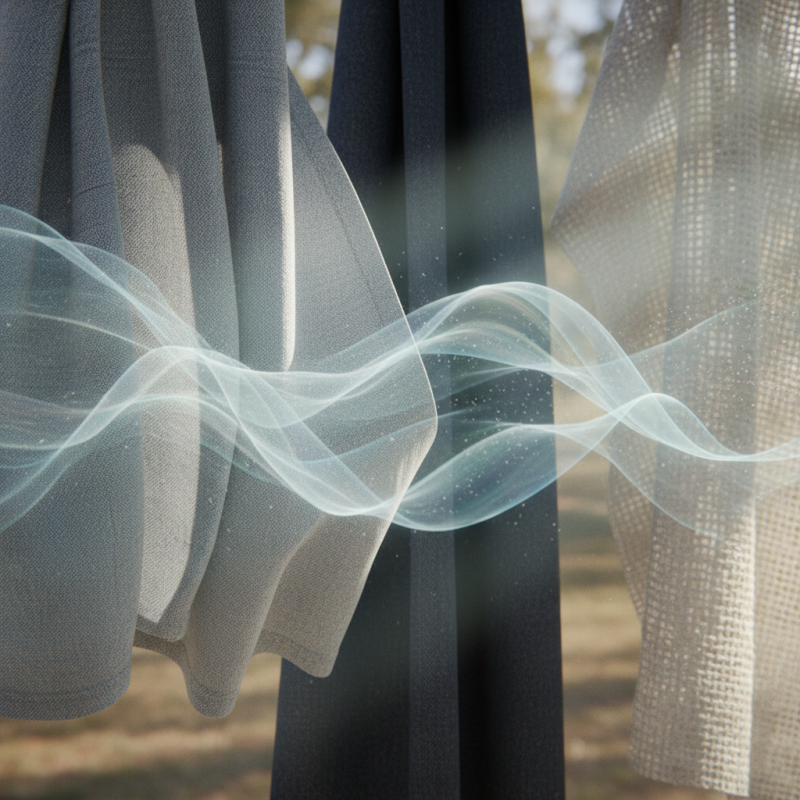
How Breathable Are Denim Fabrics for Comfortable Wearing?

Understanding Denim Fabrics: An Overview of Breathability

Denim fabrics are loved for their durability and style. But how breathable are they? Breathability is key for comfortable wear, especially in warmer climates. Denim typically consists of cotton, a natural fiber that allows some airflow. However, the weave and thickness can significantly impact breathability. Lighter weights and looser weaves provide better ventilation, while heavier materials tend to trap heat.

When choosing denim, consider the fabric weight. Lighter denim is often more breathable. Look for cotton blends that include linen or Tencel for enhanced airflow. These options can keep you cooler during hot days. Moreover, distressed or ripped styles may also enhance breathability. They create openings that allow air to circulate.

Tips: Always check the fabric composition. Pure cotton may help, but blends often perform better. You might also think about fit. Relaxed or loose styles allow for more airflow compared to skinny jeans. Proper care can also improve breathability. Washing your denim and avoiding high temperatures can maintain its original qualities, extending comfort.

Factors Influencing Breathability in Denim Materials

Denim fabrics have unique properties affecting their breathability. Breathability is essential for comfort, especially in warm weather. Denier, fabric structure, and treatment influence airflow. Research shows that the denier level directly impacts breathability. Lower denier values typically allow for better airflow.

The weave of the denim also plays a crucial role. Twill and plain weave patterns create varying levels of ventilation. Loose weaves often provide better circulation than tighter ones. A report from the American Textile Manufacturers Institute indicates that twill weaves can improve breathability by up to 30% compared to tighter weaves.

Moreover, factors like fabric finish and moisture-wicking treatments can enhance performance. Many consumers might overlook these details in their purchase decisions. A survey published in the Journal of Fashion Marketing found that 60% of consumers prioritize style over fabric properties. This reflects a gap in the market. It suggests that many denim manufacturers could do more to educate users on breathability.

Comparison of Denim Types: Cotton, Blends, and Stretch Fabrics

Denim fabrics come in various types, each with unique characteristics affecting breathability and comfort. Cotton denim, made primarily from natural fibers, allows air circulation. It has a porous structure, which enhances breathability. According to a report from the Fabric Workshop, pure cotton denim promotes moisture wicking, making it a popular choice for warm climates.

Blended fabrics often include polyester or spandex. While they can enhance durability and stretch, breathability may reduce. A study from the American Institute of Textile Technology indicates that blended denim typically retains heat, which could lead to discomfort in high temperatures. For those seeking versatility, understanding fabric composition is crucial.

Tips: When choosing denim, consider the climate. In hot weather, opt for 100% cotton for its breathability. For cooler days, blends can provide warmth. Always check fabric weight. Heavier weight denim may feel stifling during summer.

Stretch denim offers mobility but may trap heat. It often contains elastane, increasing flexibility. Reports show that while it improves comfort, it doesn't breathe as well as 100% cotton. As a result, wearers may experience a feeling of heaviness. Striking a balance between comfort and style can be challenging; evaluate your needs wisely.

User Experiences: Comfort Levels in Various Denim Styles

When it comes to comfort in denim, user experiences reveal a wide spectrum. Many fans of relaxed styles often rave about the breathability of wide-leg jeans or loose-fitting shorts. This is largely due to the spacious design that allows for better air circulation. In contrast, skinny jeans may present a challenge. Some users report feelings of restricted movement, especially during warmer months. The tightness can lead to discomfort over extended wear.

Conversely, high-waisted denim can strike an appealing balance. Many wearers find that this style offers adequate support without sacrificing breathability. The fabric's weight and blend play a significant role too. A lighter cotton blend tends to enhance comfort compared to heavier, rigid denim. Users appreciate the flexibility that softer materials provide, especially when combined with a clever cut.

However, not all body types feel equally comfortable in denim. Some individuals express frustration when searching for a fit that accommodates their shape without suffocating. This inconsistency highlights the need for more inclusive sizing and styles. Ultimately, comfort is subjective, shaped by personal experiences and preferences in denim wear.

Practical Tips for Choosing Breathable Denim for Different Seasons

When selecting breathable denim, consider the weight and weave of the fabric. Lighter fabrics typically offer better airflow. Look for jeans made with a looser weave or lightweight cotton blends. This choice is crucial for summer. It allows sweat to evaporate, keeping you cool.

For colder seasons, opt for denim with some weight. Heavier fabrics provide warmth but can be stifling. Some styles incorporate a blend of wool or flannel lining. These materials balance breathability and insulation. However, excessive weight may cause discomfort over time.

Pay attention to the fit as well. Loose-fitting jeans enhance airflow. Tight styles can restrict movement, making them less comfortable. Try styles like wide-leg or relaxed fits for improved comfort. Check the care instructions too. Some denims may shrink or lose breathability after washing. Taking these factors into account creates a better wearing experience.

How Breathable Are Denim Fabrics for Comfortable Wearing?

Denim Type Breathability Rating Best Season Weight (GSM) Recommended Use
Lightweight Denim High Summer 150-200 Casual Wear
Mid-Weight Denim Moderate Spring & Fall 200-300 Everyday Wear
Heavyweight Denim Low Winter 300+ Outerwear
Stretch Denim Moderate All Seasons 200-250 Active Wear

FAQS

: What affects the breathability of denim?

: The weave, thickness, and fabric weight significantly impact denim's breathability.

How can I choose breathable denim for hot weather?

Opt for lighter fabrics and looser weaves to enhance airflow in warm climates.

Are cotton blends better for breathability?

Yes, cotton blends with materials like linen or Tencel offer better ventilation and cooling.

What styles might improve denim breathability?

Distressed or ripped jeans improve airflow by creating openings for circulation.

How does fit influence denim comfort?

Loose-fitting jeans allow for more airflow than tight styles, enhancing comfort.

What care tips help maintain denim breathability?

Washing in low temperatures and avoiding excessive heat help preserve breathability.

Should I consider fabric weight for seasonal choices?

Yes, lighter fabrics are best for summer while heavier ones offer warmth for colder seasons.

Can heavier denim be uncomfortable?

Yes, overly heavy denim can trap heat and feel stifling over time.

How can I improve my denim's lifespan?

Proper care, such as gentle washing, helps maintain denim's original qualities and breathability.

What fit styles should I avoid for breathability?

Tight styles may restrict movement and airflow, making them less comfortable.

Conclusion

In exploring the question of how breathable are denim fabrics, this article provides a comprehensive overview of denim types and their respective breathability levels. It begins by examining the fundamental characteristics of denim fabrics, which play a crucial role in their comfort and airflow. Various factors such as fabric composition, weight, and weave are discussed, highlighting how these elements influence the breathability of denim.

Furthermore, the article compares different types of denim—including traditional cotton, blended fabrics, and stretch materials—to assess their comfort levels during wear. User experiences reveal varying perceptions of breathability across styles. In conclusion, practical tips are offered for selecting breathable denim options tailored for different seasons, ensuring optimal comfort throughout the year. Whether for casual wear or more formal occasions, understanding how breathable are denim fabrics can significantly enhance one’s wardrobe choices.

Amelia

Amelia

Amelia is a seasoned marketing professional with a wealth of expertise in our company’s core offerings. With an unwavering passion for driving growth and innovation, she plays a pivotal role in shaping our marketing strategies and enhancing brand visibility. A key aspect of her responsibilities......