Denim can feel cool and airy in one pair of jeans, then warm and restrictive in another. The difference is not just the cotton. Fabric weight, weave density, stretch fibers, and finishing treatments all affect airflow and moisture release. Fit matters, too. A loose shirt and close-fitting jeans made from similar denim may feel very different on a humid afternoon.
This guide explores China’s top 10 denim fabric options and the practical details that shape everyday comfort. It asks how breathable are denim fabrics, while comparing lightweight chambray-like denim, classic twill, stretch blends, and heavier constructions. We look at fiber content, fabric weight, surface feel, and likely use, rather than treating a single label as proof of comfort. That matters. A softer finish can improve the hand, but it does not necessarily make a dense weave more breathable. Likewise, added stretch may help movement without making fabric cooler.
The comparisons are intended as a useful starting point, not a substitute for inspecting a sample or wearing a garment in your local climate. Small differences in yarn, dyeing, and finishing can change the result. Some details are easy to overlook. A fabric that breathes well on a swatch may feel less comfortable when tightly fitted or layered. Use the guide to ask clearer questions of suppliers and to match denim with the season, garment, and wearer. No fabric is perfect. The best choice depends on how it feels in real use.
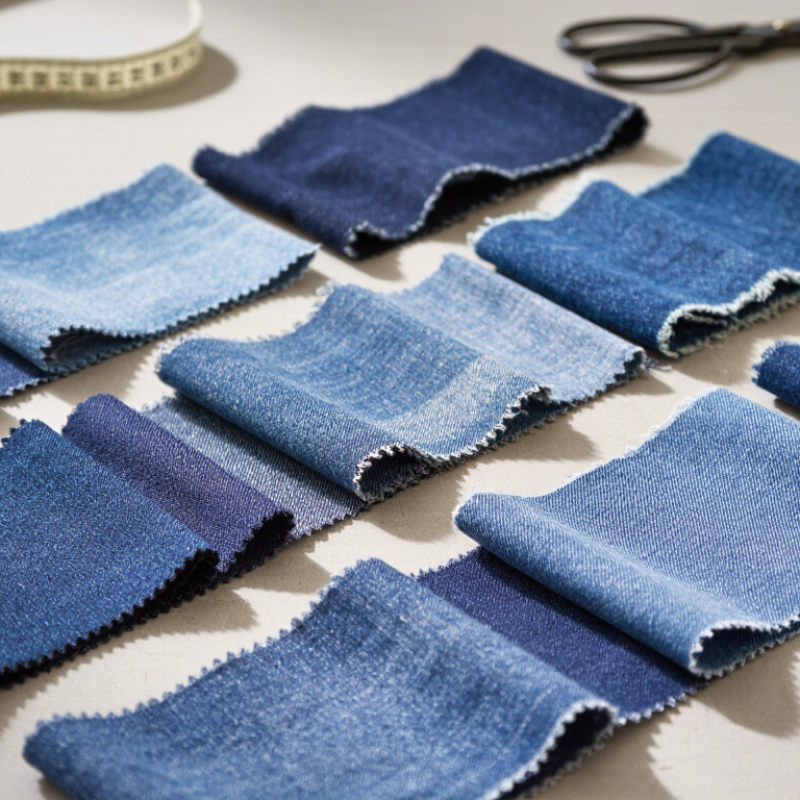
Denim breathability depends on more than fiber content. The weave matters. Traditional denim uses a diagonal twill structure, but tightly packed yarns leave less room for air to pass through. A lighter fabric with a more open construction often feels cooler than dense, heavyweight denim. Still, openness can affect durability and shape retention.
Yarn and finishing choices also change how denim feels against the skin. Coarse, tightly twisted yarns may create a firm surface, while softer yarns can feel less clingy. Heavy coatings or resin finishes may reduce airflow. Stretch fibers can improve movement, though they do not automatically make fabric more breathable. Fit matters, too: close-fitting jeans allow less air circulation around the body.
On a warm day, moisture can build up at the waistband or behind the knees. That detail is easy to overlook. I would compare fabric weight, weave density, and finish together, rather than judging breathability by touch alone. A fabric can feel soft in a showroom and still feel warm after hours of wear.
How Is Denim Breathability Measured?
Denim breathability is usually assessed through air permeability, not a vague “cool feel” score. ISO 9237:1995 measures airflow through a known fabric area under a set pressure difference; 100 Pa is commonly used for clothing fabrics. Results are reported in units such as mm/s or L/m²/s. ASTM D737 also provides a standard method for measuring air permeability. These methods help compare denim swatches under controlled conditions, but results depend on test settings.
A tighter weave can restrict airflow, while open construction may let more air pass. Fabric weight, yarn twist, stretch fibers, and surface finishes can also affect results. So two denims with similar weights may behave differently. A lab figure is useful, but it cannot fully predict comfort on a warm day. Fit, humidity, and movement matter too.
Tips: Compare fabrics tested with the same method, pressure, and sample area. Ask for the test report, not just a “breathable” claim. Check whether the fabric was tested before or after finishing. Small details count. One limitation: a single lab reading may not reflect real wear, and that is easy to overlook.
Breathability depends on fabric weight, yarn, weave, and finishing—not just where denim is made. A practical shortlist of Chinese-made options includes lightweight cotton denim, cotton-linen denim, cotton-hemp denim, cotton-lyocell denim, cotton-modal denim, open-end cotton denim, low-stretch cotton denim, slub cotton denim, lightweight right-hand twill, and lightweight left-hand twill. Linen and hemp blends often feel airy in warm weather. Lyocell and modal can feel cool against the skin. Lighter fabrics generally allow more airflow, though a dense weave can limit it.
Tips: Check the weight and fabric composition before buying. Hold the cloth toward a light source; a little visible space between yarns may suggest a more open weave. Ask whether the fabric has a coating, since some finishes can reduce airflow.
There is no reliable universal ranking for these ten types. Two fabrics with the same blend can feel quite different because their yarns and finishes vary. For hot, humid days, compare lightweight samples and wear each briefly. Softness is not proof of breathability. That distinction is easy to miss.
| Rank | Denim Fabric Type | Typical Composition | Typical Weight | Indicative Air Permeability | Breathability | Why It Breathes This Way | Suitable Use |
|---|---|---|---|---|---|---|---|
| 1 | Lightweight open-weave cotton denim | 100% cotton | 180–220 g/m² | 80–150 mm/s | Very high | Low fabric weight and a comparatively open weave allow air to pass through readily. | Summer shirts, lightweight trousers, and warm-weather clothing |
| 2 | Lightweight linen-cotton denim | 70–85% cotton, 15–30% linen | 200–260 g/m² | 65–125 mm/s | Very high | Linen fibers and a light construction support airflow; the exact result depends on yarn and weave density. | Summer pants, skirts, and casual jackets |
| 3 | Lightweight cotton slub denim | 100% cotton | 210–270 g/m² | 55–110 mm/s | High | Slub yarns create an uneven surface and may leave more open spaces than a dense, smooth construction. | Casual shirts, relaxed-fit jeans, and summer dresses |
| 4 | Lightweight cotton-linen slub denim | 65–80% cotton, 20–35% linen | 220–280 g/m² | 50–100 mm/s | High | The linen blend and textured yarns can improve airflow, while tighter finishing may reduce it. | Warm-weather casual wear and loose-fit trousers |
| 5 | Lightweight cotton denim, plain or broken twill | 100% cotton | 230–290 g/m² | 40–85 mm/s | Moderate to high | Its lighter weight generally favors airflow, although a dense weave can limit air passage. | Everyday jeans, overshirts, and lightweight workwear |
| 6 | Lyocell-cotton denim | 40–60% lyocell, balance cotton | 240–300 g/m² | 35–75 mm/s | Moderate to high | Lyocell can provide a soft, moisture-managing hand, but breathability still depends strongly on fabric density. | Soft-hand jeans, shirts, and contemporary casual wear |
| 7 | Standard-weight cotton denim | 100% cotton | 280–340 g/m² | 25–60 mm/s | Moderate | The familiar midweight twill construction balances durability and airflow. | Year-round jeans, skirts, and jackets |
| 8 | Cotton-hemp denim | 70–90% cotton, 10–30% hemp | 280–360 g/m² | 20–55 mm/s | Moderate | Hemp-blend yarns can offer a dry hand, but heavier weight and compact weaving may restrict airflow. | Durable casual trousers and relaxed jackets |
| 9 | Stretch cotton denim | 97–99% cotton, 1–3% elastane | 290–350 g/m² | 15–45 mm/s | Low to moderate | Stretch yarns and a compact construction often reduce open space between yarns. | Stretch jeans and close-fitting casual apparel |
| 10 | Heavyweight compact cotton denim | 100% cotton | 360–450 g/m² | 8–30 mm/s | Low | High fabric mass and dense construction favor abrasion resistance and structure over airflow. | Rigid jeans, workwear, and structured jackets |
Note: Air-permeability figures are indicative comparison ranges in mm/s, commonly assessed under a defined pressure difference such as 100 Pa. Actual results vary with yarn, weave density, finishing, washing, and test conditions; compare fabrics tested using the same method before making purchasing decisions.
Denim breathability is not determined by fiber alone. Air must pass through the yarns and the small spaces between them. A loose, open weave usually allows more airflow than a compact, tightly packed construction. Hold two swatches near a fan; the more open one may feel cooler, though this simple test cannot predict comfort in every climate. Feel the difference.
Fabric weight matters, but not by itself. Lightweight denim often drapes easily and may release heat faster, while heavier denim tends to trap more warmth. Yet loosely woven midweight denim can feel less stuffy than dense, lightweight fabric. Finishing also changes the surface: coatings or heavy softeners may reduce air exchange. The effect varies with the mill and finishing process.
Cotton absorbs moisture and can feel comfortable against the skin, but damp cotton may dry slowly. Linen blends can encourage airflow through less uniform fibers and a more open yarn structure. Stretch fibers add flexibility, not necessarily ventilation; tight stretch denim can still feel warm. Compare swatches at the same weight, then check weave openness, fiber content, and finish. One test is imperfect.
Estimated relative airflow potential by denim construction
Lighter fabrics and more open weaves generally allow more airflow; heavier, denser constructions tend to allow less. Fiber content also matters: linen can improve airflow, while stretch fibers may reduce it when the fabric is tightly constructed. Scores are comparative estimates, not laboratory air-permeability measurements; actual performance varies with yarn, finishing, and fabric density.
For humid commutes or summer shirts, start with lighter denim and a visibly open, even weave. Fabric weight helps narrow the choice, but it cannot predict airflow by itself. Ask suppliers for air-permeability results measured under ISO 9237 or ASTM D737, and compare fabrics tested under the same conditions. Small differences in finishing can matter.
For hard-wearing trousers or workwear, a denser, heavier denim may resist abrasion better, though it can feel warmer. For children’s clothes or all-day wear, check softness, stretch, and ventilation together; excess elastane may change how the fabric feels against the skin. Textile Exchange’s Materials Market Report 2024 estimates cotton made up about 20% of global fiber production in 2023. That figure shows cotton’s scale, not that every cotton denim breathes well. Fit matters, too. A close cut can trap heat even in lighter cloth. One practical test: hold a sample toward a fan and compare airflow, then check the supplier’s lab data. This home check is imperfect. Wash the sample as instructed, since shrinkage or finishing changes may affect comfort.
Air permeability measures how much air passes through a fabric area under set pressure. ISO 9237 and ASTM D737 provide test methods. Results often use mm/s or L/m²/s. The pressure setting matters.
Not always. Fit, humidity, movement, and fabric finishing affect comfort. A close-fitting pair may still feel warm, even in lightweight denim. Lab results are only part of the picture.
Lightweight cotton-linen and cotton-hemp blends are worth comparing. Cotton-lyocell, cotton-modal, and open-end cotton denim are other options. Feel the samples yourself. Softness alone proves little.
Yes. Weave density, yarn twist, stretch fibers, and surface finishes can change airflow. Two similar-weight fabrics may behave quite differently. Weight is a starting point, not a verdict.
Ask for air-permeability reports using the same test method, pressure, and sample area. Check whether each sample was tested before or after finishing. Small differences count.
There is no universal winner. Compare lightweight samples with open-looking weaves, then consider how each feels during wear. I may give lab numbers too much credit.
Heavier, denser denim may resist abrasion better, but it can feel warmer. For daily wear, consider ventilation, softness, and stretch together. Trade-offs are real.
Hold the fabric toward a light source and look for small spaces between yarns. You can also compare airflow with a fan. These checks are rough, not lab measurements. I would not rely on them alone.
This article explores how breathable are denim fabrics and why airflow matters for comfort in different climates and activities. It explains the main factors that influence breathability, including weave density, fabric weight, fiber composition, yarn structure, and finishing treatments. It also introduces practical ways to assess airflow, such as examining fabric construction and comparing how readily air can pass through different materials.
The article surveys ten types of denim fabrics made in China, highlighting how lighter weights, more open weaves, and suitable fiber blends can support ventilation. It then connects these characteristics to everyday choices, from lightweight denim for warm weather to sturdier options for cooler conditions or more demanding use. By considering intended wear, comfort needs, and fabric specifications together, readers can make a more informed choice without relying on weight or appearance alone.

DAVERA Fashion