Understanding the nuances in fashion is crucial for consumers. A common question arises: "what is the difference between jeans and denim?" Denim is a fabric, while jeans are a type of clothing made from that fabric. Industry expert Dr. Elizabeth Simmons notes, "Consumers often confuse the terms, but each plays a distinct role in our wardrobes."
Denim is typically woven from cotton and can come in various weights and finishes. Jeans, on the other hand, can be seen as a specific product. According to a report by the Global Denim Market, the jeans market is projected to reach $76 billion by 2025. This makes it vital for consumers to understand these terms.
Many people wear jeans daily without realizing they are part of a larger fabric story. The misconception raises questions about consumer education in fashion. Are we fully aware of what we're choosing to wear? As our clothing choices become more scrutinized, this understanding could empower better purchasing decisions.
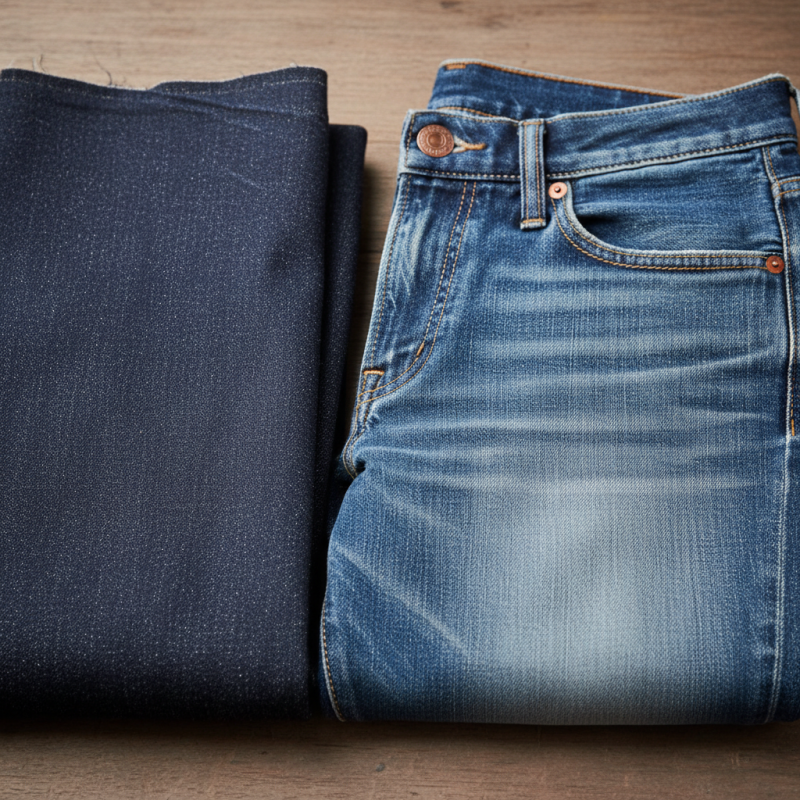
Understanding the Definition of Denim and Jeans
Denim and jeans often intersect, but they represent different concepts.
Denim is a fabric. It is typically made from cotton twill and has a distinctive weave. This fabric is durable and has a heavy texture.
In 2020, industry reports indicated that the global denim market size was valued at approximately $64 billion.
Denim is used for various garments, though jeans are by far the most recognizable.
Jeans, on the other hand, are a style of trousers. Crafted from denim fabric, jeans come in diverse cuts, colors, and washes.
A report by Statista noted that approximately 80% of American adults own at least one pair of jeans.
This statistic reflects their popularity and versatility. However, choices in style can lead to confusion.
Not all denim is used for jeans; other items exist, such as jackets and skirts. While jeans may be fashionable, the quality of denim can vary widely.
The distinction often impacts purchasing decisions. Some may buy jeans based on brand or price rather than fabric quality.
This approach can lead to less durable options. Understanding the makeup of denim can help consumers make informed choices.
It’s essential to consider that not all jeans are created equally.
Quality can significantly impact longevity and comfort, making it crucial to prioritize the fabric's attributes.
The Historical Origins of Denim Fabric
Denim has a rich history that dates back to the late 17th century. This sturdy fabric originated in Nîmes, France. The name "denim" comes from "serge de Nîmes," which means "serge from Nîmes." Initially, it was used for work clothes. The fabric's strength made it ideal for laborers. As the Industrial Revolution progressed, denim’s popularity surged. By the mid-19th century, American miners adopted denim trousers for their durability.
Over the years, denim transitioned from utilitarian wear to a fashion staple. The 1950s saw denim become associated with rebellion. Iconic actors wore jeans, elevating their status in popular culture. Reports from the Global Denim Market indicate that the industry generated over $61 billion in 2020. As trends evolve, denim remains a constant choice for consumers.
Tips: When choosing denim, consider the weight and stretch. Heavier denim lasts longer, while stretchy options offer comfort. Always check fabric blends for breathability. If you treasure jeans, inspect seams for durability. Making mindful choices ensures lasting wear.
Distinguishing Characteristics of Jeans vs. Denim
Jeans and denim often confuse many people. However, understanding their distinct characteristics can clarify this confusion. Denim is the fabric, while jeans are the finished garments made from this fabric. Denim is typically a sturdy cotton twill, woven in a specific way to create that characteristic diagonal ribbing. This makes it durable and suitable for daily wear. On the other hand, jeans are trousers crafted from denim, available in various styles, cuts, and washes.
The characteristics of jeans include features like pockets, zippers, and stitching variations. They can be high-waisted, low-rise, or even cropped. Additionally, jeans come in a range of colors, which adds to their versatility. Denim, in contrast, is usually dyed blue but can be found in other shades. The treatment processes, such as stone-washing or distressing, allow for various finishes on jeans.
Despite the differences, the line between jeans and denim can sometimes blur. Some people might claim they own 'denim pants' when, in reality, they refer to jeans. This reflection on terminology highlights how language evolves and influences our understanding of clothing. Knowing these differences can enhance wardrobe choices and help shoppers make informed decisions.
Types of Jeans and Their Variations
Jeans come in various styles, each suited for different occasions and personal preferences. One popular type is skinny jeans, which fit tightly throughout the leg. They accentuate the body's shape, making them a favorite among fashion enthusiasts. However, some find them uncomfortable for extended wear, often leading to a need for a looser fit.
Another variation is bootcut jeans. They are fitted around the thigh and flare out slightly at the hem. This design provides comfort and is versatile enough to wear with boots or flats. Some people prefer this style for its balance between trendy and classic. On the other hand, wide-leg jeans have gained traction in recent years. These offer a relaxed fit and additional airflow, perfect for warmer climates. Yet, they may not suit everyone's body type, requiring careful selection when pairing with tops.
Distressed denim is another variant that appeals to many. The frayed or torn details add character and a casual vibe. However, not everyone appreciates this style, as it may be seen as too informal for certain settings. Lastly, jogger jeans combine the comfort of sweatpants with the style of denim. This hybrid can be hit or miss, depending on the wearer's sense of style. While they provide ease, some might argue they lack the sophistication of traditional jeans.
Types of Jeans and Their Variations
Practical Uses and Fashion Trends in Denim and Jeans
Denim and jeans are often used interchangeably, but they have distinct differences. Denim is a sturdy fabric made from cotton, characterized by its twill weave. Jeans, on the other hand, refer to garments made from this fabric. According to a recent report by the Global Denim Market, the denim industry is projected to grow significantly, with a compound annual growth rate of 6.3% from 2021 to 2028. This growth impacts fashion trends, pushing brands to innovate and attract consumers.
In terms of practical uses, denim's durability makes it suitable for various applications. Workwear, for instance, benefits from denim's strength, making it an ideal choice for craftsmen and laborers. The fashion industry, however, focuses on the aesthetics of jeans. The preference for distressed, high-waisted, or wide-leg styles caters to diverse tastes. Data from the American Apparel Association indicates that 80% of consumers aged 18-34 own at least one pair of jeans. The evolving styles reflect a blend of comfort and personal expression in today’s wardrobe choices.
Trends in denim reflect broader societal changes. Sustainability is becoming increasingly important, with many consumers seeking eco-friendly options. Yet, there’s a tension between fashion and environmental impact. Many brands struggle to balance style with sustainability. The challenge lies in innovating without compromising ethical standards. As the denim market expands, so does the need for transparency in production. The ongoing dialogue between style and responsibility shapes the future of jeans and denim alike.
What is the difference between jeans and denim explained? - Practical Uses and Fashion Trends in Denim and Jeans
| Feature |
Denim |
Jeans |
| Material |
A sturdy cotton twill fabric |
A type of pants made from denim |
| Style |
Can be used for various clothing types |
Trousers with specific styles like skinny, bootcut |
| Durability |
Highly durable material |
Durability varies by cut and wash |
| Fit |
Not applicable, as denim is fabric |
Available in various fits and sizes |
| Use |
Can be used in jackets, skirts, and more |
Primarily worn as a type of casual trouser |
| Fashion Trends |
Evolves with various styles like raw denim |
Subject to seasonal trends like wide-leg or distressed |
FAQS
: Denim originated in Nîmes, France, in the late 17th century. The name means "serge from Nîmes."
Denim gained popularity during the Industrial Revolution. Miners favored it for its durability in harsh conditions.
Look for weight and stretch. Heavier denim lasts longer but stretchy options offer more comfort.
Denim is the fabric, while jeans are garments made from it. Jeans have specific features like pockets and zippers.
Jeans can be high-waisted or cropped. Their varied cuts and colors make them versatile for different looks.
No, these terms are not the same. Many confuse denim fabric with jeans, which are finished garments.
Treatments like stone-washing and distressing create different finishes on jeans. This adds character but can affect durability.
Inspect the seams for durability. Mindful choices in fabric and care also contribute to longevity.
Yes, denim has transitioned from workwear to a fashion staple. It remains a popular choice in modern wardrobes.
Some denim lacks breathability in hot weather. It's important to check fabric blends for comfort during wear.
Conclusion
Denim and jeans are often used interchangeably, but understanding what is the difference between jeans and denim is crucial for anyone interested in fashion. Denim refers to a sturdy cotton twill fabric that is typically dyed blue, while jeans are a specific type of clothing made from this fabric. The historical origins of denim date back to the 17th century in France, where it was initially used for durable workwear. Over the years, jeans evolved as a popular garment, characterized by features such as stitch patterns, fit, and embellishments that distinguish them from plain denim fabrics.
In terms of types and variations, jeans come in several styles, including skinny, bootcut, and wide-leg, appealing to a diverse range of fashion preferences. Moreover, the practical uses of denim extend beyond casual wear, influencing various trends in contemporary fashion. By understanding these distinctions, one can appreciate the versatility and significance of both denim fabric and jeans in modern wardrobes.

 DAVERA Fashion