When considering what makes sweaters soft and comfortable, one cannot overlook the impact of fabric quality and design. Wool, cashmere, and cotton are among the most favored materials. According to a report from the Global Textile Association, yarn thickness and fiber type significantly influence softness. Industry expert Dr. Emily Chen, a textile scientist, states, "The right blend of fibers can create a unique softness that appeals to consumers."
The touch and feel of a sweater can transform the wearing experience. In 2022, surveys indicated that over 70% of consumers prioritize comfort when purchasing sweaters. Fine fabrics contribute to an enjoyable tactile sensation. Yet, not every dense knitwear produces similar results. Durability can sometimes overshadow softness, causing scrutiny within the industry.
The search for what makes sweaters soft and comfortable often leads to complex choices. Consumers frequently face options that vary widely in feel and performance. Softness doesn't always equate to resilience. This dilemma reflects the industry's ongoing challenge: balancing comfort with longevity. Each sweater tells a story of craftsmanship, material, and intent. Understanding these factors helps buyers make informed decisions, along with appreciating the intricate nature of textile production.
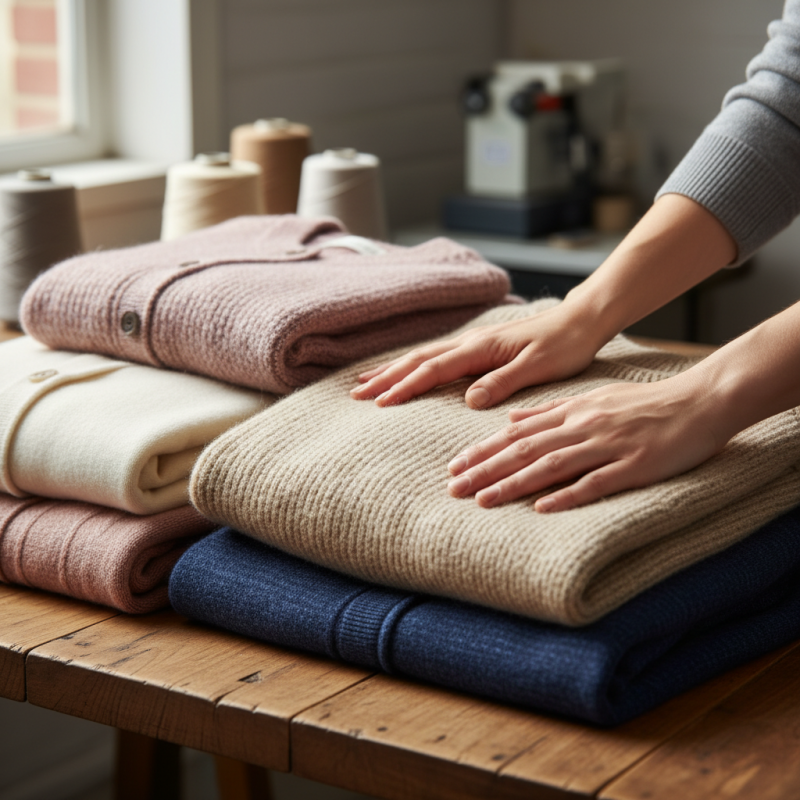
Choosing the right sweater can greatly affect your comfort. The softness of a sweater is influenced by various factors. The material used is one of the most significant. Natural fibers like merino wool, cashmere, and cotton often provide a gentle touch against the skin. Synthetic fibers can mimic softness but may lack breathability.
Tips: Always check the blend of fabrics. A higher percentage of natural fibers usually means a softer feel.
Another crucial factor is the knitting technique. Sweaters made with finer yarns tend to be softer. A loose knit can also enhance comfort, allowing air to flow. However, tightly woven sweaters might provide better warmth.
Choosing well involves considering how a sweater feels during wear. Sometimes, a highly rated sweater may not suit everyone's preferences. Trust your sensations over mere labels. Reflect on your experiences with different types.
Tips: Don't hesitate to try on different styles. Your comfort is the best guide in selecting a cozy sweater.
This bar chart illustrates the factors influencing the softness of sweaters as perceived by global buyers. Each factor is rated on a scale of 1 to 10, indicating its impact on the overall comfort of the sweater.
When choosing a sweater, material selection plays a crucial role.
Natural fibers like
wool, cotton, and
cashmere provide softness and warmth.
Wool is breathable and retains heat, making it an excellent choice for colder climates.
Cotton, on the other hand, is lightweight and hypoallergenic, perfect for sensitive skin.
Cashmere offers a luxurious feel and exceptional insulation.
Synthetic fibers, such as polyester and
acrylic, have gained popularity due to their durability and affordability.
These fibers are often less breathable than natural ones, which can lead to discomfort in warmer conditions.
However, many synthetic blends are designed to mimic the softness of wool or cashmere.
Tip: Consider the climate you live in.
Natural fibers work well in diverse temperatures, while synthetics might suffice in more stable climates.
Keep in mind that quality varies within each fiber type. Some lower-grade wool can feel scratchy.
You may find that a blend of natural and synthetic fibers offers a balance of comfort and durability for everyday wear.
Tip: Always read product descriptions carefully.
Look for details on fiber content before making a purchase.
When it comes to sweaters, yarn thickness plays a crucial role in comfort and softness. Thicker yarns can create a warm and cozy feel. They often trap more air, providing insulation against chilly weather. This makes thicker sweaters a popular choice for winter months. However, not all thick yarns are soft. Some can feel scratchy against the skin.
Conversely, thinner yarns offer a lighter and more breathable option. They may feel soft and silky to the touch. These yarns can be ideal for layering or transitioning between seasons. However, they might not provide the same warmth as thicker alternatives. It’s essential for buyers to consider the materials used in conjunction with yarn thickness. Natural fibers like cashmere and merino wool often enhance comfort levels. Yet, certain synthetics can mimic that softness as well.
Choosing the right sweater is more than just a matter of thickness. Texture, fiber content, and personal preference all come into play. Many buyers may find themselves torn between warmth and comfort. It’s an ongoing journey to discover what truly feels best. Each choice carries implications for comfort and style. Aiming for that perfect balance can often lead to greater satisfaction.
| Yarn Thickness (mm) | Comfort Level (1-10) | Softness Rating (1-10) | Recommended Use |
|---|---|---|---|
| 1.0 - 1.5 | 8 | 9 | Lightweight Sweaters |
| 1.6 - 2.0 | 7 | 8 | Casual Wear |
| 2.1 - 2.5 | 6 | 7 | Mid-Weight Sweaters |
| 2.6 - 3.0 | 5 | 6 | Heavy Sweaters |
| 3.1 - 3.5 | 4 | 5 | Outdoor Use |
Finishing techniques play a crucial role in enhancing the comfort of sweaters. The feel of a sweater can drastically change based on how it is finished. Techniques like brushing, steaming, and singeing can add softness. Brushing raises the fibers and gives a fluffy texture, inviting a cozy feeling. However, too much brushing can lead to pilling, an issue that many consumers face.
Singeing, which involves passing the fabric through a flame, helps remove excess fibers. This makes the surface smooth and reduces irritation on the skin. Yet, this technique needs careful control. Over-singeing can weaken the fabric. Steaming, on the other hand, relaxes the fibers and enhances drape. Though effective, it may not always provide the lasting softness that buyers desire.
These methods can significantly improve a sweater’s wearability. Still, they may not be perfect. Some finishing processes can compromise the durability of the knit. Consumers must be aware of these trade-offs. Understanding these techniques can empower purchasers in their sweater choices. The pursuit of softness often requires balancing comfort and longevity.
Comfort and style are often at odds when choosing the perfect sweater. Some consumers prioritize how cozy a sweater feels against the skin. The texture of the fabric can significantly affect this sensation. Softer materials, like cashmere or fine merino wool, create a comforting embrace. These fibers can also regulate body temperature effectively.
However, many shoppers still care about style. A trendy design or appealing color can sway a buyer’s decision. Oversized silhouettes and unique patterns draw attention, yet they may compromise comfort. Wearers might find themselves choosing looks over the tactile feel. This choice could lead to discomfort after extended wear.
Shoppers face a crossroads. Should they lean into plush textures or stylish designs? Often, the best sweaters find a balance between the two. However, such options can be more elusive and sometimes pricey. Consumers might need to experiment with different brands or styles to find that perfect fit. Ultimately, their preferences will reflect a blend of tactile comfort and visual appeal.
: Common materials include natural fibers like wool, cotton, and cashmere, along with synthetic fibers like polyester and acrylic.
Thicker yarns provide warmth and insulation, while thinner yarns offer breathability and a lighter feel. Choose based on your needs.
Consider the material, yarn thickness, and your personal comfort preferences. Balance warmth and softness for the best option.
Not necessarily. Natural fibers offer comfort and warmth, but some synthetic blends can mimic softness effectively.
Softer textures, like those from cashmere, provide comfort but may not always be stylish. It's a trade-off to consider.
Yes, lower-quality fibers can feel scratchy or irritating. It’s crucial to read product descriptions and reviews carefully.
If style is key, be prepared for potential discomfort. Aim to find options that offer both appeal and softness.
Yes, experimenting with different brands may help you discover the right blend of comfort and style for your preferences.
Yes, consider the climate. Natural fibers adapt well, while synthetics might suffice in more stable, moderate conditions.
Finding the perfect balance between comfort and style can be challenging. It often requires some trial and reflection.
The article "What Makes Sweaters Soft and Comfortable for Global Buyers?" explores several key factors that contribute to the softness and overall comfort of sweaters. It highlights the importance of material selection, emphasizing the differences between natural fibers, like wool and cashmere, and synthetic options. Natural fibers are often preferred for their inherent softness, while synthetics can offer durability and ease of care.
Additionally, the role of yarn thickness is discussed, as thicker yarns tend to provide a cozier feel, while thinner options may achieve a lighter, more elegant drape. The finishing techniques used in sweater production also play a crucial role in enhancing comfort, ensuring a smooth and soft touch against the skin. Lastly, the article examines consumer preferences, revealing a balance between comfort and style, showcasing that what makes sweaters soft and comfortable often drives purchasing decisions in the global market.

DAVERA Fashion