A sweater can feel like a dependable winter layer, but it earns its place in every season. The key is adjusting its weight, texture, and shape to the weather. In spring, a fine-knit cotton sweater works over a T-shirt when mornings are cool. Summer calls for breathable yarns and loose fits, especially in air-conditioned rooms. Come autumn, a medium-weight crewneck pairs easily with denim or a light jacket. Winter invites thicker knits, warm base layers, and thoughtful layering. Small choices matter.
Fashion designer Yves Saint Laurent’s well-known line, “Fashions fade, style is eternal,” offers a useful lens for this guide. It is not a sweater rule, but it reminds us to dress with intention rather than chase every trend. This article explores how to wear sweaters in different seasons, with practical outfit ideas, fabric considerations, and fit tips. Check garment care labels, and consider how a sweater feels after several hours—not just how it looks in a mirror. A soft wool knit may be warm, yet uncomfortable indoors. There is no perfect formula. Personal comfort, local weather, and daily routine can change what works. That deserves a little reflection.
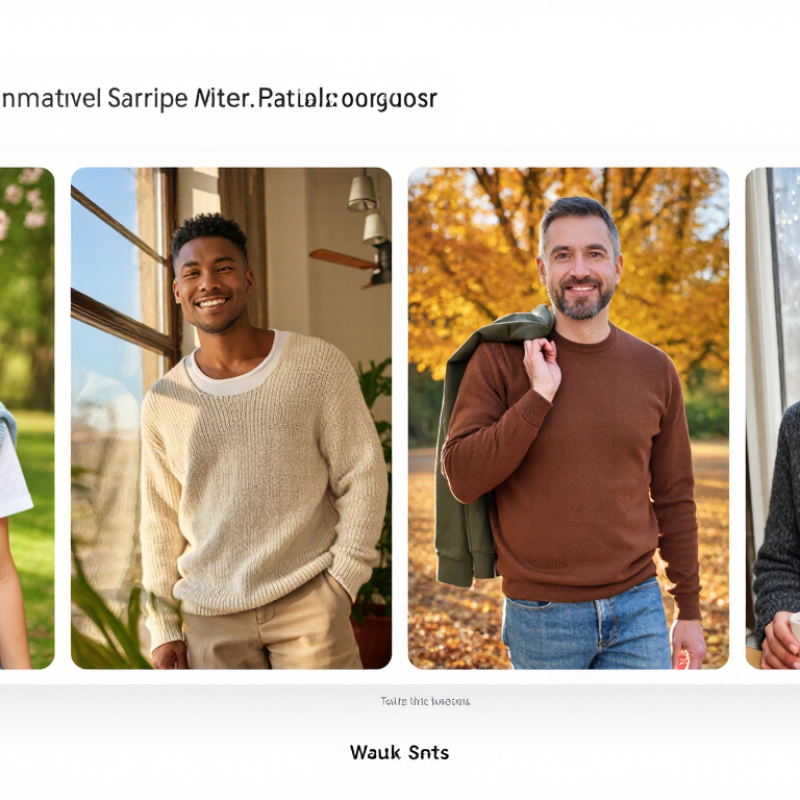
Choose Sweater Fabrics, Weights, and Fits for Seasonal Comfort
Choosing a sweater starts with the fabric, not the calendar. Fine-gauge cotton or linen blends breathe well on mild spring days, especially when a cool breeze slips through an open window. For warmth without bulk, merino wool can work in lighter weights; check the care label, since washing needs vary. A sweater should feel comfortable against your skin, not merely look light on a hanger.
In summer, reach for open knits and loose fits that let air circulate. A thin cotton sweater can be useful in strong air conditioning or beside the water after sunset. Avoid dense yarns if you tend to overheat. I still sometimes misjudge a chilly indoor room, so a light layer in a tote can be more practical than a heavy sweater worn all day.
As temperatures drop, choose mid- or heavyweight wool, lambswool, or a soft blend, then layer over a shirt. Leave enough room through the shoulders and chest for movement, but avoid excess fabric that traps awkward folds under a coat. Fit matters. Sleeves should cover the wrist without swallowing the hand, and a hem should sit where you can sit comfortably. Personal comfort varies, so try the sweater while standing and sitting before deciding. A neat fit is not always the warmest one.
Style Lightweight Sweaters for Spring’s Changing Temperatures
Spring weather rarely stays predictable for long. A light sweater works well over a cotton tee when the morning air feels crisp. Choose a breathable knit, such as cotton or a linen blend, so you can keep it on without overheating. A crew neck slips easily under a light jacket, while a cardigan gives you more control as the day warms. Keep the fit comfortable, not bulky. You may need room for another layer.
When the sun comes out, push up your sleeves or drape the sweater over your shoulders. With straight-leg trousers and simple sneakers, it looks relaxed without feeling unfinished. For a breezy walk, add a thin scarf rather than reaching for a thick coat. I sometimes find that a sweater tied at the waist shifts around more than expected; a small tote can be easier to carry it in. The outfit need not look perfect.
Tips: Check the hourly forecast before leaving. Pick a color that works with your jacket. If you tend to feel warm indoors, choose an open-knit style. Keep a spare layer nearby. Spring changes its mind.
Wear Sweaters in Summer with Breathable Layers and Cool Fabrics
A summer sweater should feel easy to remove, not like a second coat. Choose fine-gauge knits with an open stitch, then wear them over a cotton or linen shirt. A loose weave lets more air move than a dense, heavy knit. Try a thin cardigan over a sleeveless top for a cool evening; keep the sleeves pushed up on a warm walk. Small detail, real difference.
Material labels help, but they do not tell the whole story. Textile Exchange’s 2024 Materials Market Report estimates global fiber production at 124 million tonnes in 2023, with polyester making up about 57 percent. That figure describes supply, not comfort. A lightweight synthetic knit may dry quickly, yet still feel clammy in humid weather. Cotton and linen can feel cooler against the skin, though they may wrinkle or hold moisture. There is no perfect choice.
For a practical test, hold the sweater toward a window: a little light through the stitches often signals a less compact knit. Check seams and cuffs, too; tight ribbing can trap heat. On a hot commute, carry the sweater folded in a tote and add it indoors, where air-conditioning can make bare shoulders uncomfortable. I still sometimes choose a heavier knit because it looks better, then regret it by noon. Comfort should win.
How to Wear Sweaters in Different Seasons: 2026 Guide
Typical moisture regain by fiber type (% of dry fiber weight)
For summer, try a lightweight, loose-knit sweater over a breathable base layer. Cotton, linen, and viscose absorb more moisture than polyester, but moisture regain alone does not measure airflow or cooling. Choose a loose fit and thin fabric for warmer weather, and use wool or heavier knits as temperatures drop.
Values are typical reference moisture-regain figures; actual results vary with fiber type, processing, and test conditions. Moisture regain is not the same as breathability.
Build Cozy Autumn Outfits with Midweight Sweaters
Autumn outfits feel cozier when a midweight sweater adds warmth without hiding your shape. Try a crewneck over a thin cotton tee, with straight-leg trousers and ankle boots. On mild afternoons, push the sleeves up; by evening, add a light coat. Keep it tactile. Ribbed cuffs, a brushed scarf, or a softly worn leather belt can make simple layers feel considered.
Choose knit weight by how you’ll layer it, not just by the weather forecast. A sweater should slide under a jacket without bunching at the shoulders. Cotton blends can feel comfortable indoors, while wool-rich knits often provide more warmth outdoors. Check the care label before buying. Textile Exchange’s Materials Market Report 2024 estimates global fiber production reached 124 million tonnes in 2023, with polyester making up 57 percent. That figure is a useful nudge to check fiber content and choose pieces you expect to wear often.
For a relaxed weekend, wear a midweight cardigan over a plain shirt with dark denim. For work, tuck a finer knit loosely into a skirt, then add a structured jacket. Avoid matching every texture; a smooth knit beside corduroy gives the outfit depth. The fit can still feel bulky, especially under a close-cut coat. I’d rather change the outer layer than force the sweater to work. Tweak it as the day warms up.
Layer Sweaters for Warmth and Practicality in Winter
Winter layering works best when each piece has a clear job.
Start with a breathable base layer, add a wool or fleece sweater, then use a wind-resistant coat outdoors. Keep the sweater comfortable rather than tight; trapped air helps insulate, while cramped layers can restrict movement.
ASHRAE Standard 55-2023 measures clothing insulation in clo, with 1 clo equal to 0.155 m²·K/W.
It’s a useful reminder that clothing contributes to thermal comfort, though your activity level and personal comfort matter too. Cold hands? Add thin gloves before reaching for a much thicker sweater.
Indoors, a sweater can also make a modest thermostat adjustment more comfortable. The U.S. Department of Energy’s Energy Saver guidance says
setting a thermostat back 7–10°F for eight hours daily can save up to 10% a year on heating and cooling.
That is a potential saving, not a guarantee; insulation, weather, and household routines affect results. A practical combination is a soft mid-layer, warm socks, and a slightly cooler room. Avoid piling on so many layers that you sweat, since damp clothing can feel chilly once you stop moving.
I still misjudge this on windy walks.
A zip-up layer makes small adjustments easier.
Conclusion
Choosing the right sweater for each season begins with considering fabric, weight, and fit. Lightweight, breathable knits offer comfort when temperatures shift in spring, especially when paired with easy-to-remove layers. In summer, sweaters can still work on cool evenings or in air-conditioned spaces: choose airy fabrics, relaxed fits, and simple layers that help prevent overheating.
As the weather cools, midweight sweaters make autumn outfits cozy without feeling too heavy. They pair well with everyday layers and can be adjusted as temperatures change throughout the day. Winter calls for warmer knits and practical layering, such as wearing a sweater beneath a coat or over a light base layer. This guide to how to wear sweaters in different seasons shows how thoughtful fabric and layering choices can keep outfits comfortable, versatile, and suited to changing weather.

 DAVERA Fashion