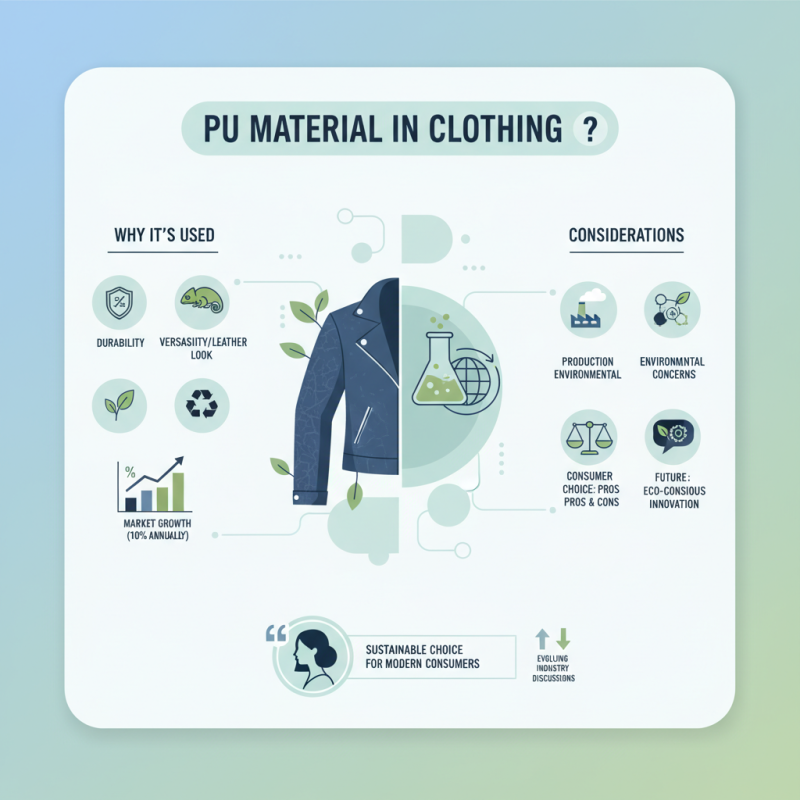
PU material, or polyurethane, has garnered significant attention in the clothing industry. This synthetic fabric is praised for its versatility and durability. According to a report by Technavio, the global market for synthetic leather, which includes PU, is expected to grow by 10% annually over the next five years. Designers and brands increasingly adopt PU due to its sustainability benefits and ability to mimic genuine leather.
Dr. Elena Smith, a noted fabric expert, highlights the importance of PU in fashion: "What is PU material in clothing? It represents a sustainable choice for modern consumers." Her insights reflect a growing trend toward environmentally friendly materials. While PU offers benefits, it's essential to recognize some challenges. For example, the production of PU can lead to environmental concerns, prompting industry experts to seek more eco-conscious manufacturing methods.
Consumers must weigh the pros and cons when choosing clothing made from PU. They appreciate its aesthetic and functional qualities, yet might reconsider its environmental impact. As the industry evolves, ongoing discussions about sustainability will shape the future of PU in clothing.
Definition and Composition of PU Material in Clothing
PU material, or polyurethane, is a popular choice in clothing. It is a versatile synthetic polymer known for its flexibility and durability. Often found in jackets, shoes, and activewear, PU provides a stylish appearance while also offering practicality and comfort for wearers.
The composition of PU material typically includes a mix of polyols and diisocyanates. This combination creates a wide range of textures and finishes, from soft to rigid. It can mimic the look of leather or fabric, making it suitable for various designs. Its lightweight nature and water-resistant properties enhance its appeal, especially in outdoor clothing. However, the production of PU can involve certain environmental implications that need addressing.
Tips: When choosing PU clothing, consider your lifestyle and needs. Look for items that balance style and functionality. A well-made PU piece can last for years, but it should be cared for properly. While PU is durable, it is not entirely immune to wear over time, especially with excessive exposure to certain elements. Always check for cleaning instructions to maintain its quality.
What is PU Material in Clothing and Why is it Used?
| Dimension |
Description |
| Material Type |
Polyurethane (PU) |
| Composition |
Made from polymer chains of urethane |
| Usage |
Used in clothing for its durability and flexibility |
| Properties |
Water-resistant, breathable, and lightweight |
| Applications |
Used in jackets, bags, shoes, and activewear |
| Environmental Impact |
Biodegradable options available; however, traditional PU can be less eco-friendly |
Properties of PU Material and Its Benefits for Fashion Apparel
PU material, or polyurethane, has become a popular choice in fashion apparel. It mimics the look and feel of leather while being lighter and more versatile. This material exhibits impressive durability, offering resistance to wear and tear. Many designers opt for PU due to its ability to maintain form and structure over time. It provides excellent insulation against cold weather. Yet, it is essential to consider its environmental impact.
Another significant property of PU is its water resistance. Garments made from this material can withstand light rain, making them practical for many climates. However, not all PU is created equal. Some versions may not breathe well, leading to discomfort during extended wear. Fashion-conscious consumers should be aware of this when purchasing PU items.
Moreover, PU is often easier to clean than traditional leather. Many fashion pieces can be wiped clean with a damp cloth. Yet, over time, they may lose their luster without proper care. As with any material, balance is key. PU offers various benefits but also has drawbacks that should not be overlooked. Understanding these nuances can lead to more informed shopping choices in a rapidly evolving fashion landscape.
Common Uses of PU Material in the Fashion Industry
PU material, or polyurethane, is increasingly popular in the fashion industry for its versatility and unique properties. One of the primary uses is in the production of leather-like garments. PU provides a similar aesthetic to genuine leather, but it is often lighter and more cost-effective.
Many brands utilize PU for jackets, skirts, and bags. Its water-resistant qualities make it suitable for outerwear. Additionally, PU can be treated for added durability, which appeals to consumers looking for long-lasting products. However, some may question its environmental impact.
PU can also be found in footwear. It offers a stylish alternative to traditional materials while delivering comfort. Sneakers and boots often feature PU for their flexibility. Despite its benefits, some people prefer natural materials. They believe PU lacks the breathability of leather. This ongoing debate highlights the importance of sustainable practices in fashion.
Comparative Analysis: PU Material vs. Other Fabrics
PU material, or polyurethane, is commonly used in the fashion industry for its versatility. It offers a leather-like appearance without sacrificing comfort. When comparing PU to other fabrics, several factors come into play.
PU stands out against materials like genuine leather and synthetic fabrics. Unlike real leather, PU is more affordable and easier to clean. It is also lighter, making it suitable for casual wear. However, PU can lack breathability. This can lead to discomfort in warmer climates. By contrast, fabrics like cotton or linen provide better ventilation, allowing the skin to breathe.
Tips: When choosing clothing, consider your climate. In hotter weather, fabrics that allow airflow might be best. For outerwear, PU offers durability and style.
While PU has advantages, it is not without flaws. Over time, it may show signs of wear, such as cracking or peeling. Regular maintenance can help prolong its life. Synthetic fibers, while often less expensive, may lack the sophistication that PU offers.
Consider the environmental impact of your choices as well. Many synthetic materials are not biodegradable. Always research the origin of the fabrics to make informed decisions.
Environmental Considerations and Sustainability of PU Material
PU material, or polyurethane, is commonly used in clothing due to its versatility. However, its environmental impact raises significant concerns. The production of PU often involves harmful chemicals, which can lead to pollution. When it breaks down, it may release microplastics into ecosystems. This is not ideal for sustainability.
Manufacturers are exploring more eco-friendly alternatives. Some companies focus on creating biodegradable PU, which reduces environmental harm. However, more research is needed to ensure these alternatives are viable. The use of PU material also affects waste management. Fast fashion exacerbates this dilemma, as garments end up in landfills.
Awareness about eco-conscious choices is growing. Consumers are starting to prefer sustainable options, pushing brands to adapt. This shift highlights a need for better transparency in textile production. The journey toward sustainability in PU clothing is ongoing. There are significant gaps in knowledge about its long-term effects. Collaborations between scientists and industry leaders could pave the way for better practices.
PU Material Usage in Clothing: Environmental Considerations
FAQS
: PU material is used for leather-like garments, jackets, skirts, and bags due to its versatility.
PU is lighter and more affordable than genuine leather, but it may lack breathability.
PU provides flexibility and style, making it a comfortable option for sneakers and boots.
The production of PU involves harmful chemicals and may release microplastics when it breaks down.
Some manufacturers are exploring biodegradable PU options, but further research is needed to ensure viability.
Breathability affects comfort, especially in warmer climates; PU generally lacks this compared to natural fabrics.
Regular care can prolong the life of PU items, though they may still show wear over time.
Understanding the origin of fabrics helps consumers make informed choices and consider environmental impacts.
Increased awareness is prompting consumers to choose eco-friendly options, pressuring brands to adapt.
The journey toward sustainability is ongoing, with potential for collaboration between scientists and industry leaders.
Conclusion
PU material, or polyurethane, is a versatile synthetic fabric widely used in clothing due to its unique properties and benefits. It is known for its durability, flexibility, and water resistance, making it an ideal choice for fashion apparel that requires both comfort and style. Commonly used in various garments, PU material provides a leather-like appearance while being more affordable and easier to maintain than traditional leather.
A comparative analysis of PU material versus other fabrics reveals its advantages, particularly in terms of functionality and fashion-forward aesthetics. However, environmental considerations surrounding PU's production and sustainability practices are crucial, urging the fashion industry to seek more eco-friendly alternatives. Understanding what is PU material in clothing highlights its significance in modern fashion, where practicality meets contemporary design.

 DAVERA Fashion