When it comes to sweaters, choosing the right fabric is crucial. As textile expert Dr. Emily Carter notes, “The fabric defines the comfort and warmth of a sweater.” With so many options available, understanding what fabric is best for sweaters can transform your wardrobe.
Wool, cotton, and cashmere are popular choices for their unique characteristics. Wool is known for its insulation and moisture-wicking properties. Cotton, on the other hand, is breathable and soft, making it great for casual wear. Cashmere, while luxurious, requires careful maintenance. Each fabric type offers distinct benefits and drawbacks, making the decision complex.
Buyers often overlook the importance of fabric in their sweater selection. Many rush through choices or rely solely on brand reputation. However, knowing what fabric is best for sweaters can enhance comfort and style. It encourages deeper reflection on personal preferences and lifestyle needs.
Overview of Sweater Fabrics: Importance and Considerations
When choosing the right fabric for sweaters, several factors come into play. Each material offers unique benefits and drawbacks. Understanding these can significantly enhance your shopping experience. Sweater fabrics impact not only the look but also the feel of the garment.
Wool is a classic choice for its warmth and durability. It retains heat well and is moisture-wicking. However, it can be itchy for some skin types, requiring a keen eye when selecting.
Cotton, on the other hand, is soft and breathable. It’s an excellent option for lighter layers. Nonetheless, it may not provide the same warmth as wool.
Tips: Always check for fabric blends. Some combinations improve comfort levels. Merino wool, for instance, blends fine wool's luxury with practical everyday wear. Also, don’t overlook synthetic fibers. They can be affordable and easy to care for yet may lack natural fabric breathability.
Consider pilling and shrinkage when making your choice. Not all fabrics maintain their appearance after multiple washes. Choosing a fabric that withstands wear and tear is crucial. Investing in the right sweater fabric means prioritizing both style and functionality.
Wool: Natural Insulation and Breathability Features
Wool is a timeless choice for sweaters. It offers natural insulation, keeping you warm in chilly weather. Its breathable nature allows for air circulation, preventing overheating. This balance of warmth and breathability makes wool versatile for various climates.
A sweater made from wool can feel soft against the skin. It wicks moisture away, keeping you dry and comfortable. However, not all wool is the same. Some types can be itchy and require careful handling. It’s important to consider the specific wool used in your sweater.
Choosing wool also means considering sustainability. Wool is a renewable resource, but overproduction can be a concern. Buying from responsible sources ensures you get quality without harming the environment. Embracing wool means enjoying its comforts while being mindful of its impact.
Cotton: Softness and Comfort for Everyday Wear
Cotton is a fabric that excels in softness and comfort, making it a popular choice for everyday sweaters. Its natural fibers offer breathability, which keeps you cool in warmer weather. Cotton sweaters can be found in various styles, from lightweight to thicker options. This versatility makes them suitable for layering or wearing alone.
One downside of cotton is that it may lose shape over time. Washing cotton sweaters can lead to shrinkage if not done correctly. It's essential to read care labels carefully and avoid high-heat drying. Despite these potential issues, many still prefer cotton for its durability and ease of care.
Additionally, cotton is hypoallergenic, making it gentle on sensitive skin. It's also environmentally friendly, especially when sourced sustainably. Pairing a cotton sweater with denim or chinos can create a relaxed yet stylish look for daily activities. Cotton truly offers a balance of comfort and practicality in our wardrobes.
Acrylic: Cost-Effective Alternative with Versatility
Acrylic fabric is gaining popularity in the sweater market due to its many benefits. This material is lightweight yet warm, making it a perfect choice for layering. It also offers excellent color retention, which means your favorite sweater will keep its vibrant hue even after multiple washes. However, one should consider potential pilling, which can detract from its appearance over time.
When choosing acrylic, keep in mind its affordability. Customers appreciate the lower price point compared to wool or cashmere. Yet, remember that not all acrylic sweaters are created equal. Check the fiber content. A blend with other materials can enhance durability and comfort.
Here are some tips for caring for your acrylic sweaters. Wash them in cold water, and avoid high heat in the dryer to preserve their shape. Lay flat to dry whenever possible to prevent stretching. Regularly check for pilling and use a fabric shaver gently to maintain a clean look. Embrace the versatility of acrylic and enjoy stylish, cost-effective options in your wardrobe.
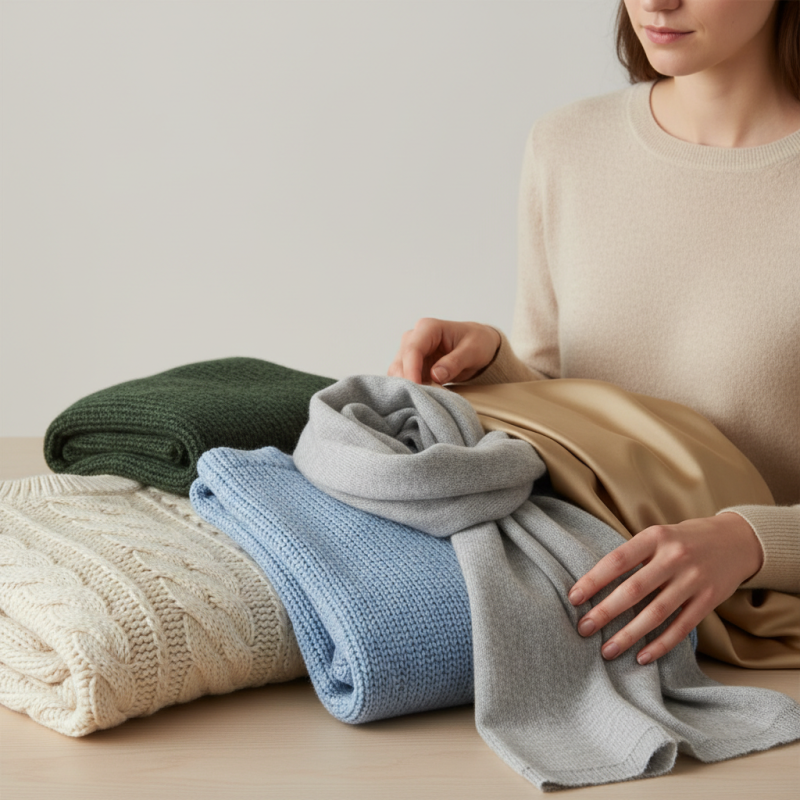
Top 5 Fabrics for Sweaters
Cashmere: Luxury and Warmth in Sweater Fabrics
Cashmere offers unparalleled luxury and warmth in sweater fabrics, making it a top choice for many buyers. Known for its softness, cashmere is derived from the fine undercoat of cashmere goats. This fabric provides significant insulation while remaining lightweight, making it ideal for layering in colder months. According to the Cashmere and Goat Related Products Association, cashmere retains about 80% of body heat, which outperforms many synthetic alternatives.
When selecting a cashmere sweater, it's essential to consider the quality. High-grade cashmere fibers typically measure between 15 to 19 microns in diameter. This fine classification contributes to the fabric's luxurious feel. However, be aware of the potential for pilling, which often occurs with lower-quality cashmere. Regular maintenance, such as gentle washing and storing, can extend the life of your cashmere garments.
Tips: Investing in cashmere may require a higher upfront cost. However, the durability and comfort often justify the expense. Opt for pieces with a higher ply count, as they tend to be more resilient. Look for brands that prioritize sustainable practices in sourcing their cashmere for a more ethical purchase. Be prepared to treat your cashmere pieces with care; this will keep them looking new for years.
Blends: Combining Properties for Performance and Style
When it comes to sweater fabrics, blends offer a unique combination of properties that enhance both performance and style. For example, wool and synthetic blends can provide warmth while maintaining breathability. According to a report from the Textile World, blended fabrics have gained popularity, with a growth rate of 5% annually in the fashion industry. This indicates a clear preference for versatile options.
Mixing fibers like cotton with cashmere results in a soft yet durable sweater. This fusion helps create a cozy feel while ensuring longevity. Research shows that blended fabrics can increase the lifespan of garments by 20-30%. Additionally, moisture-wicking properties from synthetic fibers give comfort in different conditions, making blended sweaters ideal for transitional seasons.
Tip: Look for sweaters with at least 30% natural fibers for comfort. This balance allows for breathability while providing durability. Another tip is to check for fabric weight; heavier blends often indicate higher quality. Not all blends are equal. Some may compromise comfort for style, so consider trying them on before buying.
Top 5 Fabrics for Sweaters That Buyers Should Consider
| Fabric Type |
Composition |
Benefits |
Best For |
| Wool Blend |
70% Wool, 30% Acrylic |
Warmth, Breathability, Durability |
Winter Sweaters |
| Cotton Blend |
60% Cotton, 40% Polyester |
Softness, Lightweight, Easy Care |
Casual Wear |
| Cashmere Blend |
50% Cashmere, 50% Wool |
Luxurious Feel, Insulation |
High-End Sweaters |
| Acrylic Blend |
80% Acrylic, 20% Wool |
Affordable, Color Retention |
Budget-friendly Options |
| Merino Wool Blend |
90% Merino Wool, 10% Nylon |
Soft, Moisture-wicking, Odor Resistance |
Outdoor Activities |
FAQS
: Wool provides natural insulation and breathability, keeping you warm without overheating. It's suitable for various climates.
Wool can feel soft, but some types may be itchy. Choose your wool carefully for comfort.
Wool is renewable, but overproduction can be harmful. Buy from responsible sources to ensure quality and environmental care.
Cashmere is luxurious and warm. It retains body heat well while being lightweight, perfect for layering.
Look for fibers measuring between 15 to 19 microns. This fine quality enhances the fabric's soft feel.
Pilling happens often with lower-quality cashmere. Regular maintenance can help prevent and manage this issue.
Yes, while cashmere is pricier, its durability and comfort usually justify the cost. Care can extend its life.
Gentle washing and proper storage are essential. Treat your cashmere with care to maintain its appearance.
Absolutely! Its lightweight nature makes cashmere ideal for layering, providing warmth without bulk.
Opt for brands that prioritize ethical sourcing and sustainable practices for a responsible purchase.
Conclusion
When considering what fabric is best for sweaters, it's essential to understand the unique properties of various materials. Wool stands out for its natural insulation and breathability, making it a favorite for colder climates. Cotton offers unmatched softness and comfort, ideal for everyday casual wear. Acrylic serves as a cost-effective alternative, providing versatility without compromising on style. For those seeking luxury, cashmere delivers exceptional warmth and a soft touch. Lastly, fabric blends combine the best characteristics of different materials, enhancing both performance and fashion appeal. By evaluating these options, buyers can make informed decisions tailored to their needs and preferences.

 DAVERA Fashion