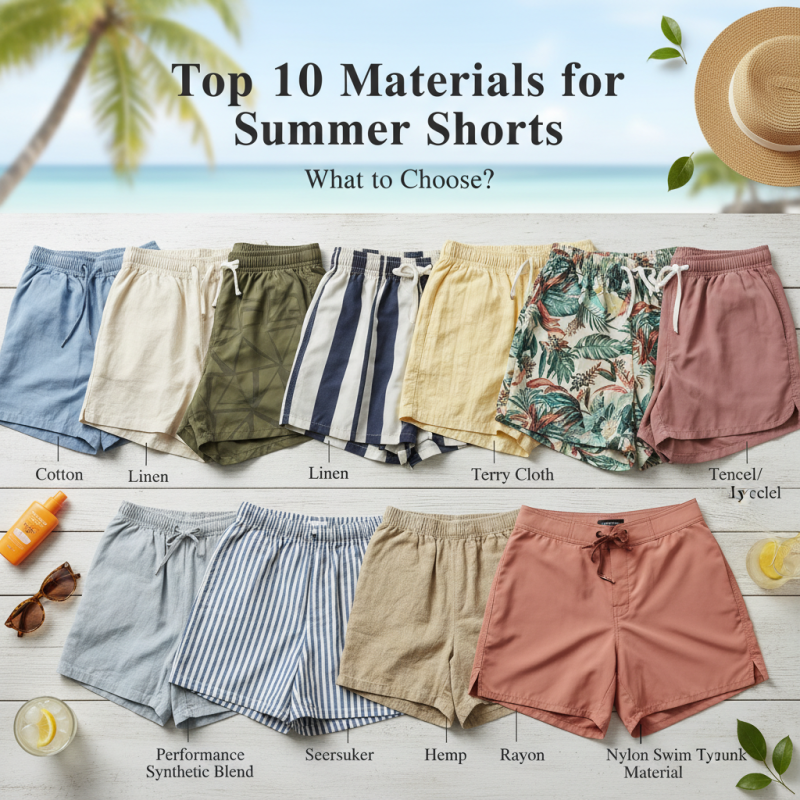
Choosing the right materials for summer shorts can make all the difference in comfort and style. According to textile expert Dr. Emily Stanton, “Breathability and moisture-wicking properties are key.” Her insight highlights the importance of understanding what materials are best for summer shorts.
While cotton is a popular choice for its softness, it may not always keep you cool. Linen provides excellent ventilation but can wrinkle easily. Innovations in synthetic fabrics offer moisture control but might lack natural feel. Finding balance is crucial.
Make your summer shorts versatile. Experiment with blends that combine natural fibers with synthetics. It’s also important to consider personal preferences. What feels comfortable to you? Reflect on how each material performs in the heat. Choosing wisely can enhance your summer wardrobe and keep you feeling fresh.
Understanding the Importance of Fabric Choice for Summer Shorts
Choosing the right fabric for summer shorts is crucial. During warmer months, breathability and comfort are essential. A report by the Fabric Manufacturers Association indicates that lightweight, breathable materials can improve comfort by up to 30% compared to heavier fabrics. This statistic highlights the importance of material choice.
Cotton is a popular option, known for its softness and moisture-wicking capabilities. However, not all cotton is created equal. Organic cotton, for example, has a smaller environmental footprint and promotes better skin health. Yet, some consumers overlook synthetic blends, which can offer greater durability and stretch. Synthetic materials, such as polyester, can provide UV protection, making them suitable for outdoor activities.
Even with various options, preferences can be contradictory. Some may prioritize style over comfort. Others might favor eco-friendly materials yet struggle with their longevity. Many overlook how fabric weights vary widely, affecting overall wearability. It's essential to test different materials. Personal comfort is subjective, so what works for one may not work for another. Emphasizing personal experience can lead to deeper insights into material choices.
Properties of Lightweight Materials Ideal for Warm Weather Wear
When choosing summer shorts, the material can make all the difference.
Lightweight fabrics are essential for comfort in warm weather.
Cotton is a popular choice. It is breathable and absorbs moisture, making it ideal for hot days.
According to industry reports, cotton fabrics allow for approximately 10% more moisture absorption than synthetic alternatives. This can keep you feel cooler.
Linen is another excellent option. This natural fiber has high breathability and dries quickly.
It has a loose weave that promotes air circulation.
Studies show that linen can lower body temperature by as much as 2 degrees Celsius.
However, it wrinkles easily, which some may find unappealing.
Tips: Look for lightweight blends.
Combining fibers can enhance durability and comfort. Another option, rayon, is smooth and lightweight.
It drapes well and feels cool against the skin.
It’s essential to consider personal comfort alongside style.
Don't ignore how a fabric feels over time. Test different materials before making a decision.
Comparing Breathability: Cotton, Linen, and Polyester
When choosing summer shorts, breathability is crucial. Cotton, linen, and polyester each offer unique benefits. Cotton is soft and comfortable. It allows airflow, helping to keep you cool. A report by the Cotton Inc. highlights that cotton can absorb up to 27 times its weight in water. This makes it great for hot days.
Linen, made from flax fibers, is another excellent option. It is lightweight and highly breathable. According to a study published by the Journal of Textiles, linen has a higher moisture-wicking ability than cotton. This provides a cool sensation against your skin. However, linen wrinkles easily, which may require more care when styling.
Polyester, known for its durability, is often blended with other fabrics. It dries quickly but traps heat more compared to natural fibers. This could lead to discomfort on particularly warm days. When selecting your summer shorts, consider the climate. If you're in a humid area, breathable fabrics are vital.
Tip: Look for shorts with ventilation features. Mesh panels can enhance airflow. Pair breathable fabrics with loose-fitting designs to maximize comfort. Remember, an outfit should not only look good; it should also feel good during summer heat.
Top 10 Materials for Summer Shorts: Breathability Comparison
Durability and Comfort: Why Blend Fabrics Matter in Shorts
When choosing summer shorts, durability and comfort are key. Blend fabrics are highly recommended for their ability to combine distinct advantages. For instance, cotton blends offer breathability while synthetic fibers add stretch. According to a study by the International Textile and Apparel Association, blended materials can enhance fabric performance significantly.
A blend of polyester and cotton, for instance, is often found to last longer than pure cotton. This is crucial in active summer conditions. Reports indicate that such blends can reduce wear and tear by 30%. This improvement is vital for those who lead an active lifestyle. In addition, these fabrics often resist wrinkling and fading, which can prolong the life of your shorts.
Comfort is equally important. Quality shorts need to feel good against the skin. A blend that includes spandex or elastane can provide the necessary flexibility. A survey from Millennial Fashion Insights found that 70% of consumers prioritize comfort in their summer wardrobe choices. Blended fabrics address this need effectively, making them an ideal choice for many. However, not all blends are created equal, and it’s essential to consider the proportions used. Balancing these factors can lead to a better experience during the hotter months.
Eco-Friendly Options: Sustainable Fabrics for Summer Fashion
As summer approaches, choosing the right fabric for shorts becomes essential. Opting for eco-friendly materials not only benefits the planet but also enhances your comfort. Organic cotton is a fantastic choice. It feels soft against the skin and is free from harmful chemicals. Instead of conventional cotton, organic cotton uses sustainable farming practices. This makes it much safer for both you and the environment.
Linen is another great option. It’s breathable and ideal for hot days. Linen shorts can keep you cool while looking stylish. However, they can wrinkle easily, requiring a bit of extra care. Hemp fabric is gaining popularity too. It's durable and naturally resistant to mold. Though it can be rough at first, washing it softens the texture.
Recycled polyester offers a unique twist. Made from plastic bottles, it's a powerful way to reduce waste. That said, it's important to consider how it feels on your skin. Some may find it less breathable compared to natural fibers. Each fabric has its pros and cons, and finding the right balance is key. Whether you prioritize sustainability, comfort, or aesthetics, exploring these options can help you make better choices this summer.
Top 10 Materials for Summer Shorts: Eco-Friendly Options
| Material |
Description |
Sustainability Rating |
Moisture Wicking |
Breathability |
| Organic Cotton |
Soft, breathable, and grown without pesticides |
A+ |
Yes |
Excellent |
| Linen |
Natural fiber known for its lightness and strength |
A |
Yes |
Very Good |
| Tencel (Lyocell) |
Made from sustainable wood pulp, often recycled |
A+ |
Yes |
Excellent |
| Hemp |
Highly durable and grows quickly with minimal resources |
A |
No |
Good |
| Recycled Polyester |
Made from recycled plastic bottles, reducing waste |
B+ |
Yes |
Moderate |
| Bamboo |
Soft, antimicrobial, and grows rapidly |
A |
Yes |
Excellent |
| Econyl (Recycled Nylon) |
Regenerated nylon from waste materials like fishing nets |
B |
Yes |
Good |
| Modal |
Semi-synthetic fiber from beech trees, soft and smooth |
B+ |
No |
Very Good |
| Ramie |
Natural fiber known for its strength and luster |
B |
No |
Good |
| Cork Fabric |
Innovative material made from harvested cork |
A |
Yes |
Excellent |
FAQS
: Breathability and comfort are crucial factors for summer shorts.
Lightweight, breathable materials can enhance comfort by up to 30%.
Cotton is soft and moisture-wicking, making it a good choice for summer.
Organic cotton has a smaller environmental impact and is better for skin health.
Some ignore synthetic blends that offer durability and UV protection.
They combine breathability with added durability and flexibility for comfort.
Blends typically last longer and resist wear and tear better than pure cotton.
About 70% of consumers prioritize comfort, making fabric choice important.
The proportions of materials used in blends can affect overall quality and experience.
A balance between comfort, durability, and personal preferences is key for satisfaction.
Conclusion
Choosing the right materials for summer shorts is crucial for comfort and style during warm weather. When considering what materials are best for summer shorts, lightweight fabrics like cotton, linen, and polyester stand out due to their breathability and moisture-wicking properties, making them ideal choices for hot days. Cotton provides softness and comfort, while linen offers excellent ventilation, and polyester adds durability.
Additionally, blends of these materials can enhance both durability and comfort, ensuring that shorts not only feel good but also withstand wear. For those looking for sustainable fashion, eco-friendly materials are becoming increasingly popular, allowing individuals to make environmentally conscious choices without sacrificing style. Ultimately, understanding these fabric properties can significantly impact your summer wardrobe and overall comfort.

 DAVERA Fashion