Finding the perfect pair of trousers can be a challenge. Many of us have faced the frustration of tight or loose-fitting pants. It can affect your comfort level and style. So, what to do if trousers are too tight or too loose? This is a common dilemma that many experience.
When trousers are too tight, they can restrict movement and cause discomfort. You might feel pinched or limited in your activities. On the other hand, loose trousers may lead to constant adjustments and a lack of confidence. The way we feel in our clothes matters greatly. It can influence our day and how we interact with others.
Addressing this issue requires a thoughtful approach. Simple alterations can sometimes make a world of difference. However, some might need more drastic measures. Recognizing that this isn't just about fashion, but about feeling good, is crucial. Striking the right balance can transform not only your appearance but also how you perceive yourself.
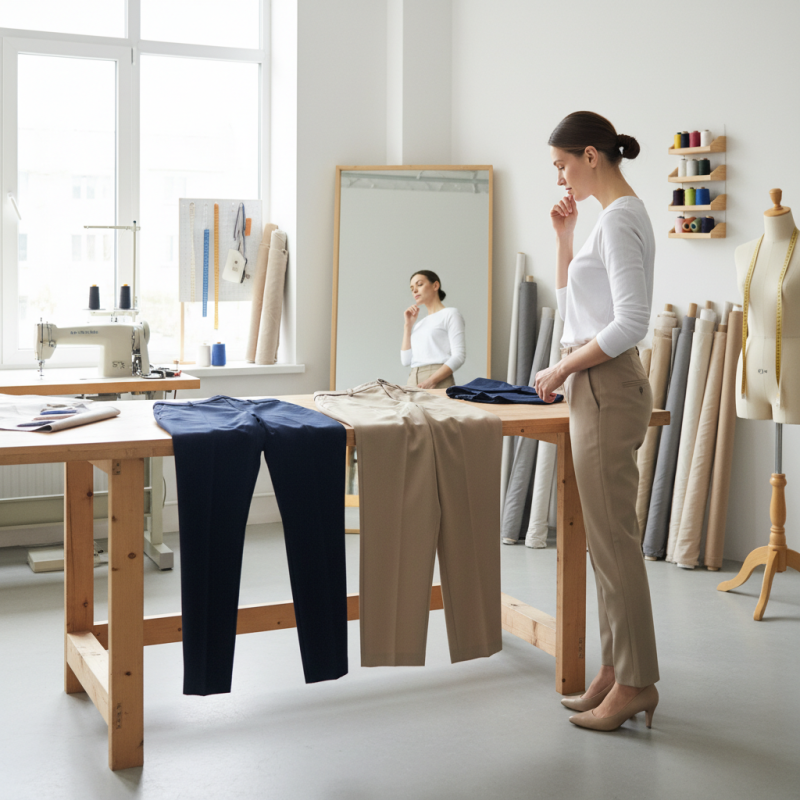
Trousers that fit properly are essential for comfort and style. Yet, many people struggle with trousers that are too tight or too loose. This issue often stems from factors such as body shape, size variations, and fabric choice. Each person's body is unique. A style that fits one individual may not work for another.
Tight trousers can result from choosing the wrong size or an unflattering cut. For instance, some fabrics don’t stretch, making them feel restrictive. When waistbands dig into the skin, discomfort arises. On the other hand, loose trousers can come from losing weight or an incorrect fit. This gap can result in constant adjustments, which can be annoying.
Understanding these causes is vital for finding a solution. Consider measuring yourself regularly. Bodies change, and so should your wardrobe. Reevaluate your styles. Experiment with different cuts and materials. Sometimes, a simple alteration can make a big difference. Don't be afraid to try new styles, even if they challenge your usual choices. Fashion should be fun, not a constant source of frustration.
Identifying the signs of ill-fitting trousers is crucial for comfort and style. If your trousers feel too tight, you may experience discomfort or restricted movement. Look for signs like bulging pockets, tightness around the thighs, or puckering at the seams. These issues often signal that a larger size is necessary. When trousers pinch your skin, it’s time to consider a change.
If your trousers are too loose, the signs are different. Excess fabric around the waist or an inability to keep them up can be telltale signs. You might notice that the fabric bunches or feels sloppy instead of tailored. This can result in an unflattering silhouette that hides your shape rather than enhances it.
Tips: Ensure you can comfortably fit two fingers in the waistband. When sitting down, your trousers should not dig into your thighs. If they slide down when you walk, consider a smaller size or a different cut. Always pay attention to how the trousers fit at the waist and hips. Ill-fitting trousers can detract from your overall look.
Adjusting tight trousers can feel daunting, but it’s manageable with the right methods. According to a report by the Fabric and Apparel Institute, about
70% of consumers struggle with fitting pants properly. This discomfort can stem from various factors like body shape and fabric stretch.
Luckily, there are effective ways to achieve a better fit.
One option is letting out seams. If your trousers are too tight, check the side seams for extra fabric. Depending on your sewing skills, you could gain an extra inch or two.
Using an iron to press the seam allowances open will help. Wearing stretchable fabrics can also offer some leeway, ensuring comfort around the waist and thighs.
Tip: When purchasing trousers, consider trying a size up if you plan to wear them throughout the day.
Patching or adding fabric can be another alternative. If there are areas that are too loose, adding pockets or layers could adjust the fit and add personal style.
Simple alterations, such as using a belt, can also create a more tailored look without additional sewing.
Tip: Always choose fabric wisely; lightweight materials often stretch more, impacting fit over time.
When dealing with loose trousers, comfort is key. According to a survey by the National Institute of Fashion, 68% of individuals report feeling uncomfortable due to poor fit. This is crucial, as snug but flexible pants can elevate your daily experience. You can easily enhance comfort by making small adjustments.
Consider these tips: First, a simple belt can provide added support. It holds the trousers in place while maintaining a stylish look. Additionally, using fabric tape or sewing in small darts can create a more fitted appearance. For those not experienced in sewing, using fabric glue can also work wonders in securing a better fit.
For a quick fix, washing the trousers in hot water may shrink them slightly. Make sure to dry them on a high heat setting. This is often the easiest method. However, keep in mind that not all materials react the same way. Always check the care label before attempting any alterations. Each change should reflect your personal style and comfort, but don’t overdo it. Sometimes, a little imperfection can lead to unique expressions in fashion.
| Size Adjustment Method | Description | Estimated Time | Skill Level |
|---|---|---|---|
| Taking in the Waist | Sewing the side seams to reduce the waistband size | 30 minutes | Intermediate |
| Hem Adjustment | Altering the length of the trousers by shortening the hem | 15 minutes | Beginner |
| Adding a Waistband Extender | Using a piece of elastic fabric to increase waist size | 10 minutes | Beginner |
| Side Seam Alteration | Adjusting the side seams for a better fit throughout | 45 minutes | Intermediate |
| Using Fabric Tape | Quick fix to temporarily hold loose trousers | 5 minutes | Beginner |
Choosing the right size when buying trousers can be tricky. Many people experience discomfort due to poor fit. When trousers are too tight, they can pinch or restrict movement. Too loose, and they may slip or sag. Comfort should always come first, but achieving the perfect fit requires careful consideration.
Start by knowing your measurements. Use a tape measure to find your waist size and inseam length. Each brand may have different sizing standards, so don’t rely on labels alone. Compare your measurements to the size chart provided by the retailer. If your size is in between, consider the style of the trousers. Slim-fit styles can feel tighter, while relaxed fits may provide more room.
Trying on trousers can reveal much about their fit. Pay attention to how they feel while sitting or walking. Are they too snug in the hips? Do they slide down when you move? Take a moment to reflect on how the fabric reacts. Remember, not every style will suit every body type. It’s okay to take your time to find the right pair.
: Look for bulging pockets, tightness in thighs, or puckering seams. These indicate they may be too small.
Excess fabric at the waist or a tendency to slide down are signs of loose trousers. They may look sloppy.
You should fit two fingers comfortably in the waistband. This ensures enough space for comfort.
A belt can help keep trousers up. You may also consider sewing darts or using fabric tape for a fitted look.
Washing in hot water can shrink trousers slightly. Dry them on a high heat setting for the best results.
Each brand has different sizing standards. Knowing your measurements helps avoid discomfort and ensures a better fit.
Notice how they feel when sitting or walking. Are they too snug or do they slide down? Reflect on their fit.
Yes, minor adjustments can enhance your look. However, a little imperfection can also add unique character.
Different styles suit different body types. Take your time exploring what fits you best; it's a personal journey.
When exploring what to do if trousers are too tight or too loose, it is essential to first understand the underlying causes of these fitting issues. Factors such as body shape, fabric choice, and manufacturing inconsistencies can contribute to discomfort. Recognizing the signs of ill-fitting trousers, like restricted movement or excessive bagginess, helps you determine the necessary adjustments.
To improve fit, methods for adjusting tight trousers include techniques such as letting out seams or using waistband extenders. Conversely, strategies for altering loose trousers might involve taking in the sides or adding darts to enhance shape. Finally, selecting the right size when buying trousers is crucial; measuring your waist, hips, and inseam can significantly increase the chances of finding a comfortable fit from the start. By understanding these strategies, you'll be better equipped to address any fitting challenges.

DAVERA Fashion