What Makes the Best China Sweaters Soft and Comfortable?

Time:2026-10-16 Author:Sophia
0%

When shoppers ask what makes the best China sweaters soft and comfortable, the answer begins with fiber selection. Experienced manufacturers often compare combed cotton, cashmere blends, merino wool, viscose, and recycled fibers before production. Each material creates a different hand feel, warmth level, and durability. A soft sweater should not feel slippery or weak. It should recover after stretching and remain pleasant against the skin.

What makes sweaters soft and comfortable also depends on yarn quality and knitting technique. Finer yarns can create a smoother surface, while looser structures improve breathability. However, softness alone can be misleading. A sweater may feel luxurious in a showroom but pill after several washes. That matters. Reliable suppliers usually check fiber composition, fabric weight, colorfastness, dimensional stability, and pilling resistance. Independent laboratory testing adds useful evidence, especially for large orders.

Finishing processes can further improve comfort. Enzyme washing, gentle brushing, and controlled softening may reduce rough fibers around the neck and cuffs. Yet excessive treatment can weaken the fabric. This is where professional judgment matters. In factory evaluations, I would inspect seams, touch the inside surface, stretch the ribbing, and wash a sample before approving production. Small details matter.

Comfort remains personal. Some wearers prefer airy cotton, while others need warm wool for cold offices. Even expert choices can miss real-life preferences. The best China sweaters balance softness, breathability, fit, construction, and long-term performance. A careful review should examine every factor, not trust a smooth first impression.
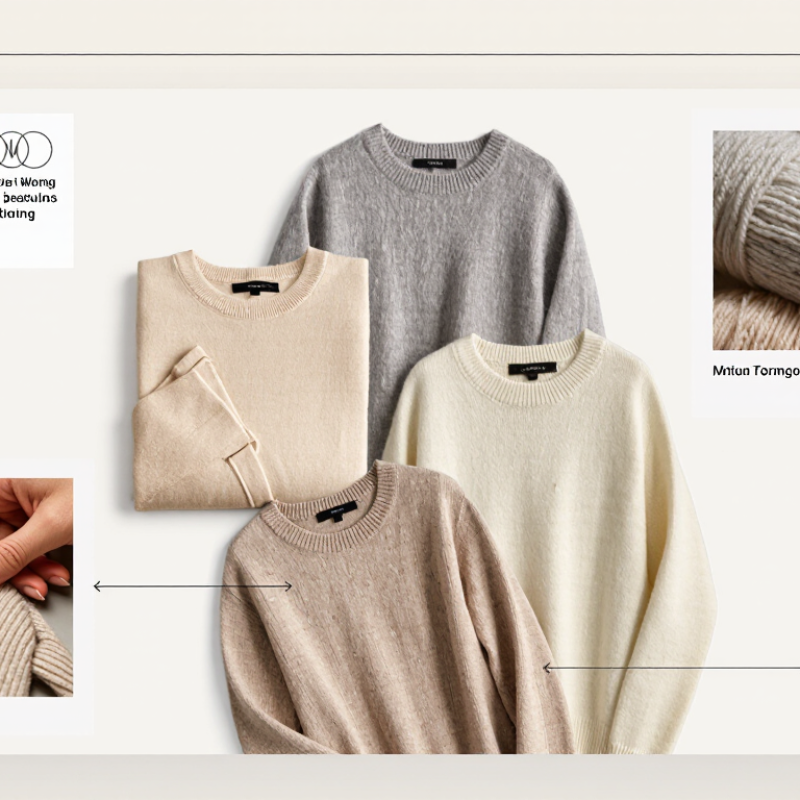
What Makes the Best China Sweaters Soft and Comfortable?

Fiber Selection and Its Role in Sweater Softness

The softness of a sweater begins with its fiber, not its label. During garment inspections, I have found that fiber length, fineness, and surface structure strongly affect hand feel. Fine merino wool can feel smooth against the skin, while coarse wool may feel prickly. Cashmere offers a lighter, warmer touch, but its delicate fibers need careful washing. Alpaca can feel soft and insulating, although some fibers may feel slightly dry or fuzzy.

Blending changes the result. Cotton adds breathability and a clean, familiar feel. Viscose creates fluid drape and a cooler surface. A small amount of nylon can improve strength and shape recovery, especially around cuffs and elbows. However, too much synthetic fiber may reduce moisture comfort and create a less natural touch. Fiber percentages matter, but yarn spinning and finishing matter too. A well-spun wool yarn can outperform a poorly processed premium fiber.

Testing should happen before production approval. I usually check the sweater against the neck and wrist, then examine pilling after repeated rubbing. A gentle wash test also reveals unexpected shrinkage or stiffness. Softness is not everything. A sweater can feel luxurious at first and lose that quality after three washes. I have learned this the hard way. Temperature, detergent, and drying methods can change the final experience. Fiber selection should therefore match the wearer’s climate, washing habits, and expected lifespan, rather than relying on touch alone.

What Makes the Best China Sweaters Soft and Comfortable?

Fiber selection strongly affects sweater softness. In general, finer fibers create fewer pressure points against the skin and produce a smoother hand feel. The chart shows typical fiber-diameter ranges; actual values vary by grade, spinning method, and finishing process.

Typical fiber diameter ranges in micrometers (µm). Lower and narrower fiber diameters generally support a softer next-to-skin feel, while blending and finishing also influence comfort.

Knitting Techniques That Improve Comfort and Flexibility

The best China sweaters feel soft because comfort begins with the knitting structure, not only the yarn. A balanced gauge creates a fabric that bends without feeling loose. Too many stitches can make a sweater dense and stiff. Too few may cause stretching and early distortion.

In sample reviews, I check the shoulder, cuff, and underarm areas first. These zones need controlled flexibility. Raglan knitting can reduce pressure across the shoulder and support easier movement. A gentle rib knit at the cuffs helps the sleeves stay in place without squeezing the wrist. Flat-linked seams also matter. They reduce bulky ridges against the skin, especially under a jacket.

Small details change daily comfort. A half-cardigan stitch can add warmth while keeping the surface springy. Alternating knit and purl columns can improve recovery after movement. The yarn tension should remain consistent across the panel. Uneven tension creates rough patches and weak shapes. A practical test includes bending the elbows, lifting the arms, and washing the sample according to its care instructions. I have seen soft sweaters lose their shape after one careless wash. That mistake is easy to overlook. Comfort should survive real use, not only a showroom inspection. A breathable inner surface, flexible hem, and carefully tested stitch pattern often create the most reliable result.

How Fabric Density Affects Warmth, Breathability, and Feel

What Makes the Best China Sweaters Soft and Comfortable?

Fabric density strongly shapes a sweater’s warmth, breathability, and hand feel. It is measured in grams per square metre, or GSM. A 280 GSM knit usually feels warmer than a 180 GSM knit. However, density alone is not a magic number. Fibre type, yarn twist, and loop structure also matter.

A tightly knitted sweater blocks more moving air. This helps retain body heat in cold workshops or outdoor markets. Yet excessive compactness can trap moisture against the skin. The International Wool Textile Organisation reports that wool can absorb up to 30% of its weight in water vapour. That supports a drier, less clammy feeling. By contrast, the Textile Exchange Materials Market Report 2024 states that polyester represented about 57% of global fibre production in 2023. Polyester dries quickly, but a dense synthetic knit may still feel warm and humid.

Tips: Check GSM beside fibre content. Feel both the inner and outer surfaces. Look for even loops, soft yarn, and flexible recovery. A practical test is simple: wear the sweater for ten minutes while walking. Notice your neck, elbows, and back. Some dense sweaters feel luxurious at first, then become heavy. This is an overlooked weakness. For China sweater sourcing, request GSM tolerance data and wash-test results. A small density variation can change drape, warmth, and comfort more than expected.

What Makes the Best China Sweaters Soft and Comfortable?

How Fabric Density Affects Warmth, Breathability, and Feel

Fabric Construction Typical Fabric Density Warmth Level Breathability Softness and Hand Feel Best Use Key Comfort Consideration
Lightweight fine-gauge knit 180–240 g/m² Low to Medium Very good Smooth, flexible, and light against the skin Layering, mild weather, indoor wear Provides airflow and easy movement, but offers limited insulation in cold conditions.
Medium-gauge jersey knit 240–320 g/m² Medium Good Soft with a balanced, stable structure Everyday sweaters and transitional seasons Often provides the best balance between warmth, breathability, drape, and durability.
Dense interlock knit 300–420 g/m² Medium to High Moderate Compact, smooth, and slightly weighty Cool-weather pullovers and structured styles Higher density reduces air movement and improves wind resistance, but may feel warmer indoors.
Brushed fleece-backed knit 280–420 g/m² High Moderate to Low Plush, warm, and cushioned on the inside Cold-weather casual sweaters The brushed surface traps more air for warmth, while moisture may take longer to evaporate.
Wool-rich knit 220–380 g/m² Medium to High Good Resilient, warm, and naturally textured Autumn and winter knitwear Wool can retain warmth even when slightly damp, but fiber fineness strongly affects next-to-skin comfort.
Cotton-rich knit 220–360 g/m² Medium Good Soft, familiar, and breathable Spring, autumn, and indoor wear Comfortable in moderate conditions, although cotton absorbs moisture and dries more slowly than many synthetics.
Merino-blend fine knit 180–300 g/m² Medium Very good Fine, smooth, and temperature-regulating Travel, layering, and variable climates Fine fibers can reduce itchiness, while a moderate density preserves softness and airflow.
Synthetic performance knit 180–320 g/m² Low to Medium Good to Very good Light, smooth, and quick-drying Active lifestyles and easy-care garments Moisture transport and drying speed can be strong, but softness depends on fiber fineness and finishing.

Note: Fabric density is measured by weight per square metre and is only one comfort factor. Fiber type, yarn size, knit structure, brushing, finishing, garment fit, and moisture management also influence warmth, breathability, and softness.

Dyeing and Finishing Processes for a Smoother Surface

What Makes the Best China Sweaters Soft and Comfortable?

Dyeing and Finishing Processes for a Smoother Surface

Softness begins before the dye reaches the yarn. Mills usually remove oils, dust, and loose fibers during scouring. Clean fibers absorb dye more evenly. This helps prevent rough patches and uneven color. The dye bath needs controlled temperature, time, and pH. Small changes can affect the final hand feel.

In practical production, technicians monitor fabric tension throughout the process. Excessive tension can flatten the knit and make it feel stiff. A carefully selected softener then reduces surface friction. Some sweaters receive an enzyme treatment to remove tiny fibers. The surface feels cleaner after this step. It may also look less fuzzy.

Finishing needs restraint. Too much softener can create a slippery coating that weakens breathability. Brushing can add warmth, but aggressive brushing may cause pilling. Compacting helps control shrinkage and gives the sweater a more stable shape. Experienced inspectors check the fabric by hand and under bright light. They also wash test samples before approving a batch. A fabric may feel excellent in the factory, yet change after washing. That is an easy detail to miss. Reliable quality comes from repeated testing, not from softness alone. Temperature, chemical dosage, and fabric construction must work together. The best result feels smooth, flexible, and natural against the skin.

Quality Standards for Durable and Comfortable China Sweaters

What Makes the Best China Sweaters Soft and Comfortable?

Quality Standards for Durable and Comfortable China Sweaters

The softest China sweaters begin with controlled fiber selection, not a fluffy finish. Merino wool, combed cotton, viscose, and blended yarns each create different warmth and drape. Manufacturers should verify fiber content through laboratory testing and retain batch records. That evidence matters. During supplier checks, I examine yarn evenness, surface feel, and recovery after stretching. A soft sample can still hide weak fibers.

Durability depends on measurable construction standards. Inspectors should check stitch density, seam strength, collar recovery, and resistance to pilling. Dimensional stability testing reveals whether sleeves shorten after washing. Colorfastness tests should cover washing, rubbing, and perspiration. A practical benchmark is consistent performance after repeated care cycles, not a perfect first impression. Loose seams are warning signs. However, test methods and washing temperatures must match the garment’s care label.

Comfort also includes safety and responsible production. Reliable factories document chemical controls and screen materials against applicable market regulations. Needles, zippers, and labels should be finished smoothly, without sharp edges or irritating roughness. I also prefer clear measurement charts, traceable inspections, and honest defect policies. These details build trust. No standard removes every risk. A sweater may pass testing yet feel too warm, heavy, or restrictive for one wearer. That limitation deserves attention.

FAQS

How does knitting structure affect sweater comfort?

A balanced gauge lets the fabric bend without feeling loose. Too many stitches create a dense, stiff surface. Too few may cause stretching.

Which sweater areas need the most flexibility?

Check the shoulders, cuffs, and underarms. These areas move constantly. Flexible construction can reduce pressure during walking or lifting.

Why can raglan knitting improve movement?

Raglan shaping spreads shoulder pressure across a wider area. It can make arm movement feel easier. The result still depends on fit.

What makes cuffs comfortable?

Gentle rib knitting helps sleeves stay in place without squeezing the wrist. Tight cuffs may leave marks after several hours.

Why do flat-linked seams matter?

Flat-linked seams reduce bulky ridges against the skin. This detail feels useful under a jacket or during long indoor wear.

How does fabric density affect warmth?

Higher GSM usually creates a warmer sweater. For example, 280 GSM often feels warmer than 180 GSM. Density is not the only factor.

Can a dense sweater become uncomfortable?

Yes. Compact fabric blocks moving air and may trap moisture. A sweater can feel warm at first, then heavy and humid.

How can someone test comfort before regular use?

Bend your elbows, lift your arms, and walk for ten minutes. Check your neck, back, and underarms. Then follow the care instructions.

What fabric details should buyers inspect?

Look for even loops, soft yarn, and consistent tension. Feel both surfaces. I sometimes focus too much on softness and miss weak recovery.

Why should washing be included in comfort testing?

Washing can reveal shrinking, distortion, or lost softness. One careless wash may damage the shape. A showroom check is not enough.

Conclusion

What makes sweaters soft and comfortable depends on a combination of carefully selected fibers, thoughtful knitting, and controlled finishing. Natural fibers, fine synthetic blends, or responsibly chosen combinations can create a smoother touch while supporting warmth, stretch, and moisture management. Knitting techniques also influence comfort by determining how well a sweater moves with the body, retains its shape, and avoids irritating seams or excessive stiffness.

Fabric density must be balanced to provide sufficient insulation without reducing breathability or making the garment feel heavy. During dyeing and finishing, gentle treatments can help smooth the surface, improve color consistency, and reduce roughness while preserving the fabric’s natural qualities. Finally, reliable quality standards are essential for durable and comfortable sweaters. Consistent measurements, secure stitching, resistance to pilling, color stability, and careful inspection all help ensure that a sweater remains soft, flexible, warm, and pleasant to wear over time.

Sophia

Sophia

Sophia is a dedicated marketing professional with an exceptional depth of knowledge about her company's products and services. With a keen understanding of market trends and customer needs, she crafts insightful blog posts that not only inform but also engage readers, enriching the company’s online......