What to Wear With Trousers in Winter China Top Guide?

Time:2026-10-21 Author:Isabella
0%

Winter dressing in China demands more than a stylish pair of trousers. Temperatures change sharply between cities, buildings, and daily commutes. Beijing may bring dry wind and freezing sidewalks. Shanghai can feel colder because of damp air. In Guangzhou, heavy layering may become uncomfortable by midday. This guide explores what to wear with trousers in winter through practical, climate-aware choices.

Tan France, fashion consultant and television stylist, has said, “Style is a way to say who you are without having to speak.” That idea matters here. Trousers should support movement, warmth, and personal confidence. Try wool trousers with a fine thermal base layer, a fitted knit, and a structured coat. Straight-leg trousers work well with ankle boots. Wide-leg styles need shoes with enough visual weight. Small details help. A scarf blocks cold air around the neck. Wool socks protect the gap above the shoe.

Comfort comes first.

In northern China, insulated boots and a longer down coat may be essential. In wetter eastern cities, water-resistant footwear and quick-drying layers often perform better. Office workers may prefer tailored trousers, while students and commuters may choose fleece-lined denim or relaxed cargo styles. These suggestions are useful, but no formula works everywhere. I still find that indoor heating can make an excellent outdoor outfit feel excessive. Check the day’s temperature, wind, and travel time before dressing. The best answer to what to wear with trousers in winter balances warmth, texture, proportion, and real-life movement.
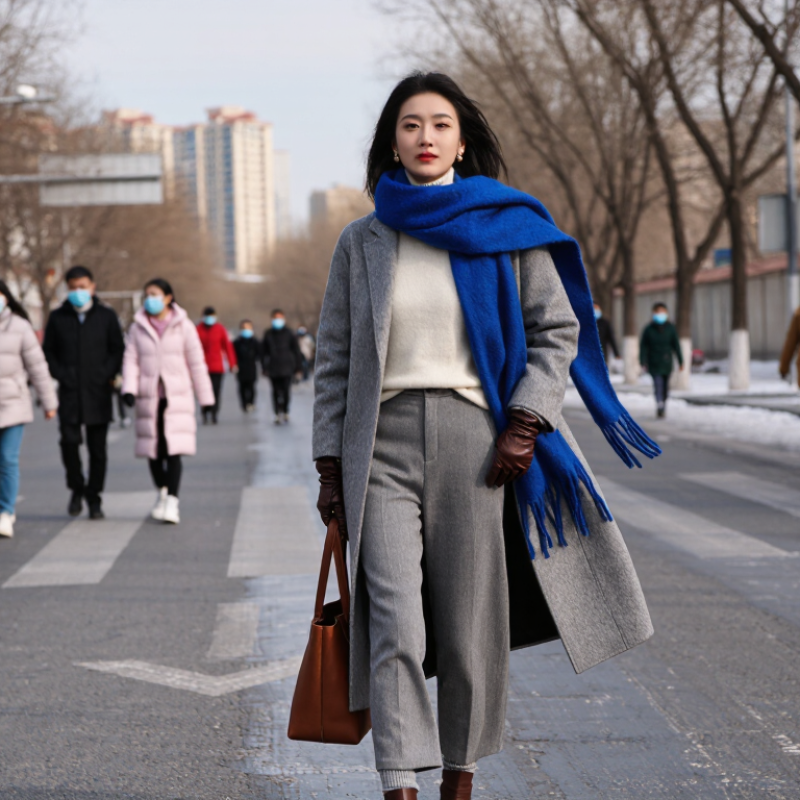
What to Wear With Trousers in Winter China Top Guide?

China’s Winter Climate Zones and Trouser Needs by Temperature

China’s winter is not one weather story. The China Meteorological Administration’s 1991–2020 climate normals show major regional differences. January temperatures in Harbin commonly remain below freezing, while Shanghai often stays near 4–6°C. Guangzhou can reach 14–16°C during the same month. Humidity and wind make some southern cities feel colder than their readings. A dry -5°C day may feel easier than a damp 3°C morning.

Below 0°C, choose trousers with wind-resistant fabric and room for a thermal base layer. Between 0°C and 10°C, brushed or lined trousers usually provide practical insulation. From 10°C to 18°C, medium-weight trousers work better, especially indoors. These choices align with the insulation principles in ISO 11079, which assess clothing needs through temperature, wind, activity, and exposure. Walking beside a river requires more protection than sitting inside a heated office. I still find temperature bands imperfect; personal activity changes comfort quickly.

Tips: Check wind speed and humidity before dressing. Wear a thin moisture-wicking layer under trousers when commuting outdoors. Avoid overly tight layers, because compression reduces warmth. For snowy northern streets, test your outfit with ten minutes outside. If your knees feel cold first, add insulation there, not only at the waist. The China Meteorological Administration and local weather stations remain better guides than a national average.

Layering Trousers with 0.5–1.0 CLO of Added Insulation

In winter China, trouser comfort depends on insulation, wind, and movement. The International Organization for Standardization defines 1 clo as approximately 0.155 m²·K/W of thermal resistance in ISO 9920. For cold commutes, adding 0.5–1.0 clo gives a practical insulation range without making movement awkward. A thin thermal base layer may contribute about 0.15–0.25 clo, while a quilted over-trouser can raise the added insulation closer to 0.7–1.0 clo. These figures vary with fit, fabric compression, and moisture.

Keep the base layer close to the skin, but not tight. A smooth surface reduces friction under wool trousers or workwear. For Beijing wind, add a dense outer shell that blocks air around the knees and seat.

ASHRAE Standard 55 notes that air speed and activity change perceived comfort, so walking warmth differs from waiting at a bus stop. Test the outfit outdoors for ten minutes. Check your knees first.

Thick is not always warmer. I sometimes overestimate insulation when fabric feels heavy, yet compressed filling loses effectiveness. ISO 9920 also warns that clothing values depend on posture and layering conditions.

If your legs sweat indoors, reduce the base layer before removing the wind-resistant outer layer. Leave room for bending.

A practical combination is thermal underwear, relaxed trousers, and a light insulated shell. It may look imperfect, but comfort is the real measurement.

Comparing Wool, Fleece, Down, and Synthetic Trouser Linings

Choosing winter trousers in China depends on temperature, wind, humidity, and daily movement. Wool linings feel warm without excessive bulk, and they manage moisture better than many fully synthetic fabrics. The 2024 Textile Exchange Materials Market Report estimates global fiber production reached 124 million tonnes in 2023, with polyester representing about 57%. This scale supports synthetic options, but volume does not equal comfort. Wool remains a smaller fiber category, near 1%, yet its natural resilience suits commuters facing dry northern cold.

Fleece linings feel soft against the skin and dry quickly after light sweat. They work well in Beijing or Xi’an when paired with wind-resistant outer fabric. Fleece is not a strong wind barrier.

Down linings trap excellent warmth for low-movement days, especially in severe northern winters. However, they can feel bulky around the knees and lose efficiency when damp. Down trousers also need careful washing. I have found the extra warmth unnecessary on crowded trains.

Synthetic insulation offers predictable performance in humid winter cities such as Shanghai, Hangzhou, and Chengdu. It dries faster and usually costs less than down. The European Outdoor Group’s 2024 market reporting notes continued consumer interest in versatile, durable outdoor clothing, reflecting this practical trade-off. Still, synthetic fibers may feel clammy during brisk walking.

A useful choice is wool or fleece for everyday commuting, with synthetic insulation for wet cold and down for dry, deep cold. Personal testing matters. Door-to-door comfort can contradict the temperature forecast.

Pairing Trousers with Boots for Snow, Rain, and Urban Commuting

What to Wear With Trousers in Winter China Top Guide?

In winter China, trousers and boots must respond to changing ground conditions. Northern cities may bring dry snow, icy sidewalks, and sharp wind. Southern areas often feel colder because rain enters every gap. For snowy streets, wear wool-blend trousers with enough room for thermal leggings underneath. Choose boots with deep, flexible lugs and sealed seams. Traction matters more than appearance. Keep the trouser hem above wet slush.

Rain needs a different approach. Water-resistant trousers reduce soaking, but they are not always waterproof. Pair them with mid-calf boots and a narrow opening around the ankle. This limits splashes during crowded bus rides. Avoid tucking thick trousers into tight boots, since trapped fabric holds moisture. I once ignored this detail and arrived with damp socks after a short commute. It was uncomfortable and easily preventable.

For urban commuting, straight or gently tapered trousers usually balance warmth and movement. Leave enough space to climb stairs without pulling at the knees. A thin thermal layer works better than one bulky layer under tailored trousers. Check the soles before leaving; polished tiles can become surprisingly slippery indoors. Leather-like materials may look smart, but synthetic waterproof surfaces often handle repeated rain more reliably. Still, no winter outfit solves every problem. Loose hems can catch puddles, and even good boots need drying overnight.

This practical 1–10 guide compares common boot profiles for pairing with trousers during snowy, rainy, and urban winter commuting conditions in China. Higher scores indicate better overall protection, stability, and everyday comfort. Tapered trousers generally work best with bulkier boots, while straight-leg trousers provide better coverage for wet streets.

Checking Fit, Moisture Control, and Wind Resistance Before Leaving

What to Wear With Trousers in Winter China: Top Guide

Checking Fit, Moisture Control, and Wind Resistance Before Leaving

Winter weather in China changes sharply between regions. Northern cities may be dry and freezing, while coastal areas often feel colder because of damp air. I usually choose trousers that allow one thermal layer underneath without pulling at the knees. Fit matters. Tight fabric can restrict walking and trap sweat.

Try sitting, climbing stairs, and bending before leaving home. The waistband should stay secure without pressing your stomach. Cuffs should cover the ankles, especially when wind enters through low gaps. I once wore trousers that fit well indoors but became uncomfortable after adding thermal leggings. That mistake taught me to test the complete outfit.

Moisture control is equally important. Choose a breathable inner layer and avoid cotton next to the skin during long outdoor trips. Sweat can cool quickly on a cold platform or street. Gently press the fabric after walking for ten minutes. If it feels wet inside, change the layer rather than adding more insulation. Wind resistance also deserves a practical check. Stand near an open window, or walk briefly through an exposed area. Trousers that block wind often feel warmer than thicker, loose fabric. Still, no garment handles every condition perfectly. Check the local forecast before departure, especially for rain, snow, or strong gusts.

FAQS

What trousers work below 0°C?

Choose wind-resistant trousers with room for a thermal base layer. A dry -5°C day may feel easier than damp 3°C weather. Check your knees first.

What should I wear between 0°C and 10°C?

Brushed or lined trousers usually provide practical insulation. Add a thin moisture-wicking layer for outdoor commuting. Avoid tight layers.

Which trousers suit temperatures from 10°C to 18°C?

Medium-weight trousers often work well in this range. They are useful when moving between cool streets and heated rooms. Indoor heat changes comfort.

How much added insulation is useful for a cold commute?

Adding roughly 0.5–1.0 clo can improve warmth without greatly restricting movement. A thin thermal layer may add about 0.15–0.25 clo. A quilted outer layer may add more.

How should trousers fit over thermal underwear?

Leave enough space for bending, walking, and sitting. The waistband should stay secure without pressing your stomach. Fit matters.

How can I test trousers before leaving home?

Sit down, climb stairs, and bend your knees while wearing every layer. Then walk outside for about ten minutes. Check the knees first.

How do I control moisture inside winter trousers?

Use a breathable inner layer and avoid cotton next to your skin outdoors. If the fabric feels wet, remove or change a layer. More insulation may make sweating worse.

Does wind resistance matter more than thickness?

Often, yes. Dense fabric can block cold air around the knees and seat. Thick fabric is not automatically warmer. I sometimes overestimate heavy materials.

Should I dress differently in northern and southern cities?

Yes. Northern areas may be dry and freezing, while southern areas can feel colder when damp. Check temperature, wind, humidity, and precipitation before dressing. Weather averages are imperfect.

Conclusion

Knowing what to wear with trousers in winter depends on the climate, temperature, and daily activity. In northern areas with freezing winds and snow, insulated trousers or warm inner layers may be necessary, while milder central and southern regions may only require thermal underwear beneath regular trousers. Adding about 0.5–1.0 CLO of insulation through base layers, fleece, wool, down, or synthetic linings can improve warmth without making movement uncomfortable.

Choosing the right combination also means considering footwear and weather protection. Waterproof boots with good traction are useful for snow and rain, while lighter, flexible shoes may suit dry urban commuting. Before leaving, check that the trousers fit comfortably over your layers, allow easy movement, manage moisture, and block cold wind. A practical winter outfit should balance warmth, dryness, comfort, and mobility rather than relying on thickness alone.

Isabella

Isabella

Isabella is a dedicated marketing professional with a sharp focus on driving brand growth and engagement through strategic content creation. With an extensive background in digital marketing, she combines her passion for storytelling with her keen understanding of industry trends to deliver......