A semantic sourcing guide for global brands seeking OEM/ODM cycling shorts, custom chamois development, performance fabrics, scalable production, and reliable export support from China.
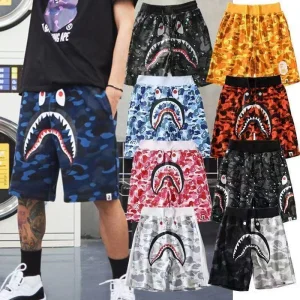
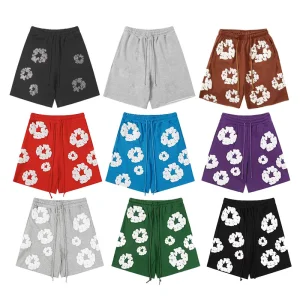
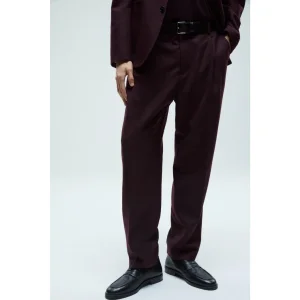
The styles below are part of DAVERA’s wider bottoms and activewear portfolio. For biking-shorts programs, these adjacent shorts and performance trousers help global buyers coordinate fabrics, fits, prints, packaging, and private-label collections before scaling a dedicated cycling line.
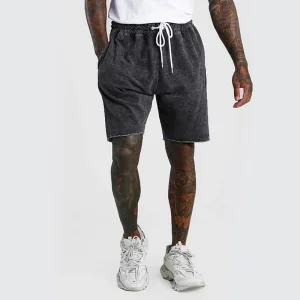
Casual / Gym Shorts
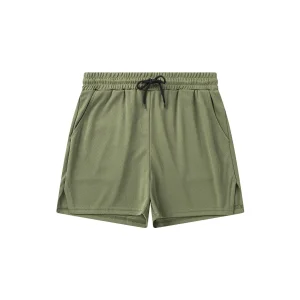
Custom Acid Wash Raw Hem Oversized Gym Sports Running Cargo Shorts Men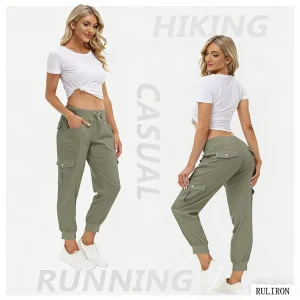
Gym / Jogger Program
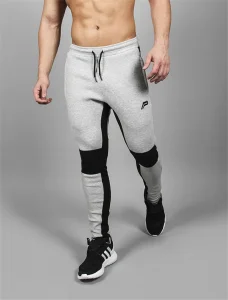
Custom Men's New Breathable Gym Workout Elastic Waist Cotton Oversized Jogger Pants
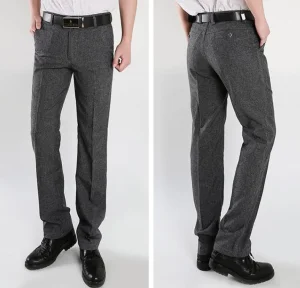
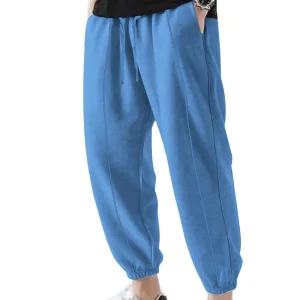
Linen Casual Pants
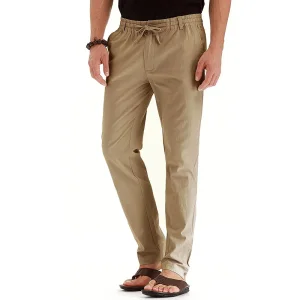
Classic Mens Casual Pants Lightweight Elasticated Waist Linen TrousersThis query is not a single consumer search. It combines product specification research, supplier discovery, private-label development, compliance verification, and commercial risk assessment. A high-quality supplier page must answer all five layers, not simply repeat “wholesale biking shorts.”
Buyers compare padded cycling shorts, bib shorts, baggy MTB shorts, liner shorts, and multi-sport shorts. They need clarity on inseam, chamois density, fabric weight, elastane percentage, leg grippers, flatlock seams, waist construction, and size grading.
The real question is often: “Is this a genuine factory, a trading company, or a hybrid?” Credible manufacturers provide process transparency, sample review, production capacity, QC documentation, and clear communication rather than vague claims.
Global brands ask for custom sublimation, label placement, hangtags, polybags, size labels, recycled fabric options, custom chamois pads, plus-size grading, team kits, and repeat-order consistency.
MOQ, sample fees, development lead time, bulk lead time, payment terms, inspection method, Incoterms, packaging cost, and shipping consolidation all influence the final sourcing decision.
Cycling apparel has expanded from race-day equipment into commuting, e-bike mobility, indoor training, gravel riding, adventure travel, and lifestyle activewear. That shift has changed the sourcing brief: buyers now need a single product architecture that can serve performance riders, recreational cyclists, and fashion-conscious consumers.
In the global supply chain, biking shorts sit at the intersection of performance textiles, foam and padding engineering, elastic trims, sublimation printing, cut-and-sew manufacturing, and compliance testing. A basic pair of shorts may appear simple, but a credible cycling short involves fit-block engineering, seam placement, compression control, moisture management, abrasion resistance, and chamois compatibility. Serious buyers ask for fabric composition, GSM, stretch and recovery, colorfastness, seam strength, and care-label suitability before approving bulk production.
The industrial landscape is also changing. Consumers increasingly expect sustainable materials, inclusive sizing, odour control, UV protection, reflective safety details, and versatile styling that works off the bike. Retailers want faster replenishment and smaller first orders. Brands want fewer suppliers who can handle design iteration, sampling, bulk production, quality inspection, and export packaging. China remains highly relevant because its textile and apparel clusters can connect these requirements within a deep supplier ecosystem, while still offering competitive scale.
China’s advantage is not only cost. It is the ability to compress development cycles through supply-chain density, technical sewing capability, material access, and export readiness. For biking shorts, that means faster iteration between a design brief, a prototype, a fit correction, and a production-ready sample.
Knitted performance fabrics, elastane blends, mesh, foam padding, silicone grippers, reflective films, zippers, and labels can be sourced through mature channels. That reduces sourcing friction and helps buyers compare multiple material options within one development cycle.
Pattern making, grading, cutting, sewing, printing, and finishing can be organized into a coordinated workflow. This supports pilot runs, mid-volume seasonal programs, and larger private-label replenishment plans.
Experienced technical teams can translate comments on rise, inseam, leg opening, chamois placement, seam pressure, and waistband stability into pattern corrections. This is where practical manufacturing experience creates measurable value.
Suppliers familiar with global buyers can prepare packing lists, carton marks, barcode labels, inspection reports, and consolidated shipments. Reliable documentation is part of product quality, especially for repeat orders.
Efficiency should never mean skipping validation. A strong supplier confirms fabric shrinkage, colourfastness, seam strength, stretch recovery, and packing standards before bulk production.
A manufacturer with genuine apparel experience can explain what happens between an inquiry and a shipped order. The sequence below reflects a practical OEM/ODM development path for cycling shorts and adjacent activewear.
Define riding type, target price, market, size range, season, fabric hand-feel, chamois expectation, branding, packaging, and testing requirements. A detailed brief prevents vague samples.
Build the measurement spec, construction notes, bill of materials, colourways, print files, label placement, and packing instructions. This becomes the working reference for costing and sampling.
Review rise, inseam, hip circumference, thigh compression, leg gripper tension, waistband recovery, and pad positioning. Fit corrections are often more important than fabric upgrades.
Check seam pressure, crotch gusset placement, chamois movement, pilling risk, stretch recovery, and abrasion points. A sample should be judged as a riding system, not only as a flat-lay garment.
Control shrinkage allowance, marker efficiency, panel alignment, flatlock stitching, sublimation colour, and logo consistency. Inline checks reduce rework before final inspection.
Apply AQL or buyer-specific inspection, verify measurements, labels, barcodes, polybags, cartons, and shipping marks. Final photos and reports improve trust for repeat programs.
Biking shorts are engineered by trade-offs. Thicker padding can improve comfort on long rides but may feel bulky indoors. Stronger compression can support muscles but complicate sizing. The best supplier helps the buyer define the intended ride, then matches fabric and construction to that use case.
Pad shape, foam density, thickness, perforation, anti-bacterial treatment, and positioning affect comfort. A liner short for commuting should not be specified like a high-mileage road bib.
Nylon-elastane and polyester-elastane knits must recover consistently after riding stress. Buyers should request stretch, recovery, and shrinkage data instead of relying on hand-feel alone.
Wicking yarns, fabric structure, and back-panel ventilation influence dry time. Moisture management is especially important for indoor training, humid markets, and multi-day events.
Saddle friction, washing, and print placement can cause premature wear. Fabric choice, seam type, and print method should be reviewed together for durability.
Longer summer rides and commuting may require UPF-rated fabrics, breathable mesh, reflective logos, and high-visibility panels while maintaining a retail-friendly aesthetic.
Recycled polyamide, recycled polyester, bluesign-aligned processes, lower-impact dyeing, and traceable trims are increasingly requested. Always request certificates rather than accepting broad “eco” claims.
| Buyer question | Standard casual short | Performance biking short | What to request from supplier |
|---|---|---|---|
| Primary use | Lifestyle, gym, walking | Road, MTB, gravel, commuting, indoor cycling | Intended ride type and target mileage |
| Fit focus | General comfort | Compression, saddle clearance, leg gripper stability | Fit block, grading, size-set fitting |
| Seam construction | Overlock or standard sewing | Flatlock, bonded or low-bulk seams in key zones | Seam strength test and seam-flatness review |
| Padding | Usually none | Chamois pad with density zones and moisture control | Pad spec sheet, density, thickness, placement |
| Fabric validation | Basic hand-feel | Stretch recovery, dry time, pilling, abrasion, colourfastness | Test reports or third-party lab plan |
A reliable sourcing decision is built on written specifications, sample validation, documented quality checks, and transparent commercial terms. Use this checklist to compare China manufacturers and suppliers with greater confidence.
A professional supplier should welcome detailed questions. Vague answers about fabric composition, chamois sourcing, quality control, or delivery planning are a warning sign for any wholesale biking-shorts program.
Different markets do not need the same short. Climate, riding culture, body proportions, retail price architecture, and local fashion influence the final specification. A supplier with broad apparel experience can adapt one fit block into multiple market-ready products.
High-stretch fabric, stable leg grippers, low-profile seams, and carefully positioned chamois. Buyers often prioritize aerodynamic fit, print durability, and consistent sizing.
Baggy shells, integrated liners, abrasion resistance, reinforced crotch panels, and zippered pockets. Loose fit must still pedal efficiently and avoid saddle snagging.
Comfort-focused liners, reflective hits, quick-dry fabrics, and casual styling for office-to-bike use. Weather resistance and easy care are important selling points.
Lightweight padding, high breathability, secure waistbands, and colourways suited to studio environments. Many buyers request odour-control and fast-dry finishes.
Minimal padding, quick-drying liners, non-chafing seams, and swim-run-bike transitions. Fit testing is critical because small construction changes affect comfort.
Cargo details, stretch woven shells, durable pockets, and removable liners. The product may be sold as cycling apparel, outdoor lifestyle wear, or travel clothing.
Distinct rise, waist shaping, chamois geometry, inseam options, and size inclusivity. Buyers increasingly request fit testing on diverse body types rather than simply shrinking men’s patterns.
Custom sublimation, sponsor logos, village or club colourways, and rapid repeat production. Clear artwork workflows and colour approval are essential for brand consistency.
The next stage of competition is not simply “cheap wholesale biking shorts.” It is reliable product engineering, traceability, inclusive fit, faster replenishment, and stronger storytelling backed by verifiable production standards.
Buyers will continue to ask for recycled content, traceable materials, lower-impact packaging, and responsible manufacturing evidence. Suppliers that can support documentation will have an advantage.
Extended sizes, women’s-specific blocks, adaptive details, and regional body-fit differences are moving from niche requests to mainstream wholesale requirements.
Hot-weather riding, indoor training, and humid markets are driving demand for breathable back panels, quick-dry yarns, lightweight mesh, and odour-control finishes.
Baggy outer shorts with removable liners, pocket systems, and multi-use styling allow one product platform to serve MTB, commuting, hiking, and lifestyle customers.
DTC brands and independent cycling labels need smaller launches, faster repeat orders, and tighter colour-management workflows. Suppliers must be responsive beyond basic bulk production.
Digital pattern files, automated cutting, inline measurement tracking, and photo-based inspection reports improve consistency and reduce communication gaps for overseas buyers.
Buyers in different regions often weigh performance, price, compliance, and aesthetics differently. Use this table as a discussion guide, then verify current regulations, testing requirements, and labelling rules with qualified professionals.
| Market | Common product focus | Frequent sourcing requirements | Practical supplier response |
|---|---|---|---|
| North America | MTB, gravel, gym crossover, e-bike commuting | Size inclusivity, clear care labels, performance claims, packaging quality, repeat-order consistency | Build a fit block library and document fabric performance |
| EU / UK | Road cycling, commuting, sustainable activewear | REACH-aligned documentation, fibre labelling, durability, chemical management, packaging waste reduction | Provide material declarations, test reports, and traceable trims |
| Australia / NZ | Outdoor, MTB, sun protection, multi-sport | UV protection, quick-dry performance, abrasion resistance, strong colourfastness | Offer UPF fabric options and validate print durability |
| Middle East | Commuting, sportswear, modest activewear adaptations | Breathability, coverage, heat management, comfortable waistbands | Source lightweight knits and offer coverage-friendly fit options |
| Latin America | Value activewear, gym, urban cycling | Cost control, bright colourways, flexible MOQ, durable prints | Use volume planning and colour rationalization to protect margins |
| Asia-Pacific | Indoor cycling, commuting, cycling clubs, e-commerce launches | Fast replenishment, compact packaging, regional size curves, social-media-ready design | Support small batch trials and quick repeat production |
Compliance requirements change by product, destination, and claim. Confirm current standards for fibre content, chemical restrictions, flammability where relevant, labelling, and advertising claims before shipment.
For buyers seeking a China wholesale biking shorts manufacturer or supplier with broader apparel-development capability, DAVERA combines OEM/ODM support, bottoms expertise, and export-oriented production experience.
Dongguan DAVERA Fashion Co., Ltd. is a dynamic apparel manufacturer specializing in trendy trousers, stylish shorts, premium denim, and modern sweaters for global markets. Based in Dongguan, China, we integrate design, development, production, and sales to deliver high-quality fashion solutions tailored to evolving consumer demands.

Our product portfolio covers a wide range of categories, including tailored trousers, casual shorts, denim collections, PU apparel, and knitwear. With a strong focus on fabric innovation, fit optimization, and contemporary aesthetics, DAVERA creates garments that combine comfort, durability, and modern style.
Equipped with advanced manufacturing facilities and experienced technical teams, we maintain strict quality control throughout every stage of production—from material sourcing to final inspection. Our flexible OEM and ODM services enable us to support private labels, fashion brands, and wholesalers with customized designs, branding, and scalable production.

Driven by market trends and customer insights, DAVERA continuously updates its collections to meet seasonal demands and fast-changing fashion preferences. We are committed to providing reliable lead times, competitive pricing, and consistent product quality.
Dongguan DAVERA Fashion Co., Ltd. aims to be a trusted partner in delivering modern apparel collections that inspire confidence and style worldwide.
These answers address common questions from brands, retailers, importers, and cycling teams comparing China wholesale biking shorts manufacturers and suppliers.
MOQ depends on fabric, colour, print method, size range, and whether the design is stock or fully custom. Small trial orders may be possible for simpler styles, while custom chamois, sublimation, and special fabrics usually require larger commitments. Confirm MOQ by colour and size ratio, not by style alone.
Many experienced suppliers can source different chamois densities, shapes, thicknesses, and fabric combinations. Buyers should provide the intended ride type, target price, and comfort expectation, then request sample comparisons. Always validate pad placement through fitting rather than choosing from a catalogue alone.
Request business verification, factory workflow details, production photos, sample-making capability, references where available, and documented QC procedures. Ask technical questions about seam types, fabric composition, grading, and inspection. A supplier that answers specifically is generally easier to evaluate than one offering only generic assurances.
The relevant documents depend on your market, claims, and product composition. Common requests may include fibre-content test reports, colourfastness, shrinkage, substance restrictions, and supplier declarations. For sustainable or recycled claims, request traceability evidence and avoid relying on unverified marketing statements.
Use a written agreement covering artwork ownership, pattern ownership, confidentiality, permitted use, and production restrictions. Provide production-ready files only after commercial terms are clear. For team kits, original graphics, and private-label patterns, clear documentation is essential.
Timelines vary with fabric availability, trim sourcing, print complexity, fit revisions, and factory schedule. Ask for a milestone plan covering proto, fit sample, photo sample, production sample, bulk start, inspection, and ex-factory date. Always confirm the lead time starts from sample approval and deposit.
Approve a sealed sample and measurement spec, set AQL or buyer-specific inspection, review labelling and packing, and request inline plus final QC photos. For biking shorts, pay special attention to seam flatness, pad placement, leg gripper recovery, print alignment, and size consistency.
Compare total landed cost, technical capability, material access, lead time, communication, compliance evidence, and repeat-order reliability. China offers deep apparel supply chains and scalable production; other regions may offer different tariff or lead-time advantages. The right decision depends on your product, market, and risk tolerance.
Explore additional customized shorts, joggers, performance trousers, and private-label bottoms that can support a broader cycling, gym, outdoor, or lifestyle collection.
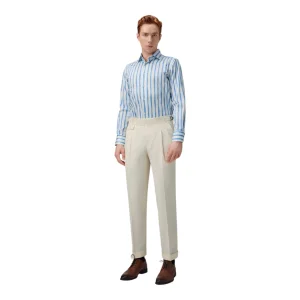
Sports Trousers
Wholesale Mens Slim Fit Sports Trousers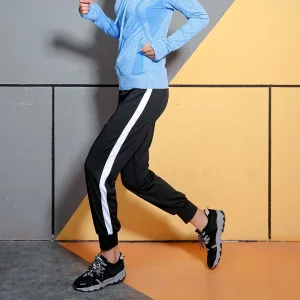
Women’s Active Bottoms
Sports Running Pants Women Loose Joggers Wide Leg Sweatpants Gym Exercise Trousers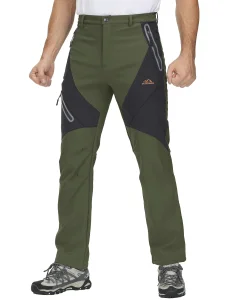
Outdoor Tech Trousers
Asiapo China Factory Men's Stretchy Breathable Skiing Snowboard Fleece Cargo Trousers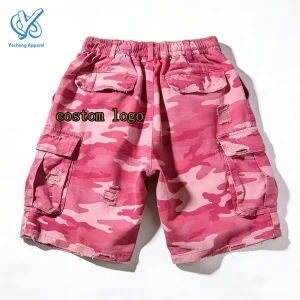
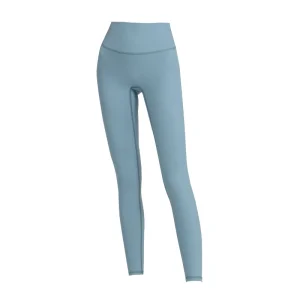
Workout Trousers
New Sexy Threaded High Waist Butt Lift Training Workout Trousers DAVERA Fashion