The Manufacturing Advantage in China
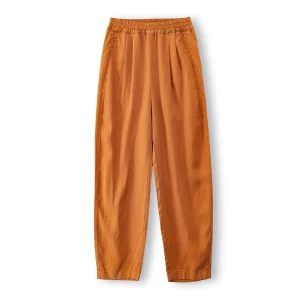
China remains the undisputed hub for apparel manufacturing, particularly for complex garments like flared pants. Unlike standard straight-cut trousers, flared pants require specific fit engineering—the "flare" must be proportionate to the rise and thigh measurements to ensure flattering draping. Chinese factories, specifically those in the Pearl River Delta like DAVERA, have invested heavily in 3D pattern-making software and automated fabric cutters, reducing waste and increasing the efficiency of complex cuts. This digital transformation allows for rapid prototyping (as fast as 3-7 days), giving fashion brands a competitive edge in fast-turnaround markets.
Trend Analysis: Sustainability & Fabric Innovation
The global shift toward sustainable fashion has forced manufacturers to rethink the supply chain. Today’s flared pants are no longer just about the cut; they are about the material intelligence. Innovations include the use of Tencel™ blends, recycled polyester, and organic cottons that offer the requisite drape without the environmental burden. Manufacturers who adopt "Circular Manufacturing"—where fabric off-cuts are repurposed—are increasingly preferred by B2B buyers in Europe and North America.
Global Enterprise Sourcing Needs
For international wholesalers and private label brands, sourcing isn't just about price. It is about *reliability*. Global enterprises look for three pillars in a Chinese factory:
1. Production Scalability: Can the factory handle 500 units and 50,000 units with the same quality level?
2. Transparency: Is the supply chain ethical and compliant with international labor regulations?
3. Logistics Integration: Does the partner provide DDP (Delivered Duty Paid) solutions or flexible FOB options?
Dongguan DAVERA addresses these by integrating logistics support directly into our OEM/ODM service framework.
Local Application Scenarios
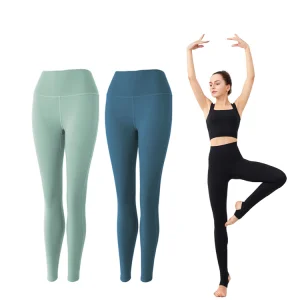
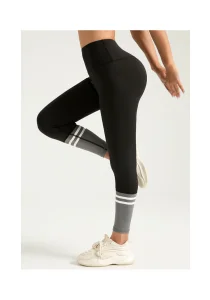
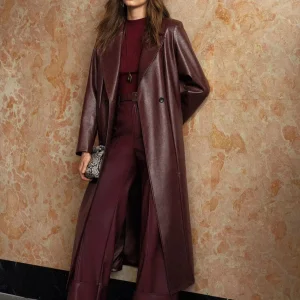
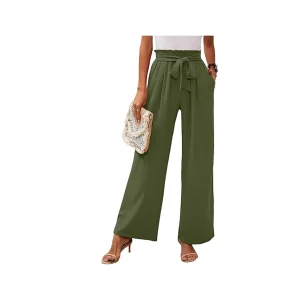
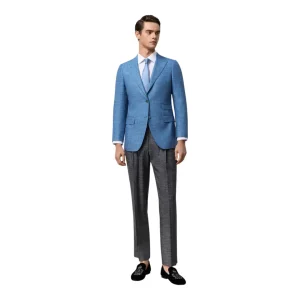
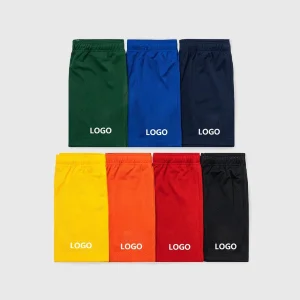
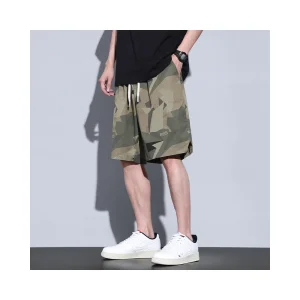
From the corporate office to weekend casual, the versatility of the flared pant requires distinct manufacturing approaches. Workwear segments prioritize crease-resistant blends and structured waistbands. Athleisure segments, utilizing high-stretch fabrics and flatlock stitching, require specialized machinery for seam durability. By understanding these end-use cases, we customize fabric weights and tensile strengths to ensure the product performs its intended role in the consumer’s wardrobe.
 DAVERA Fashion