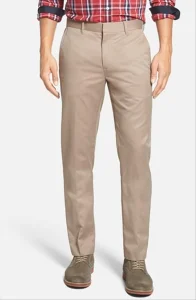
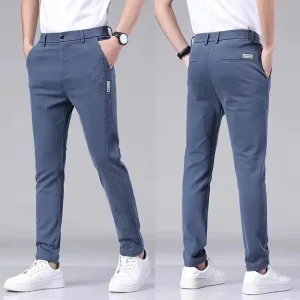
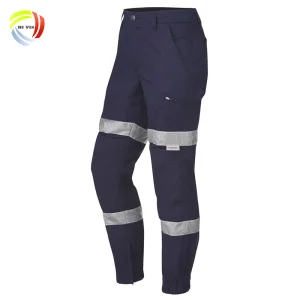
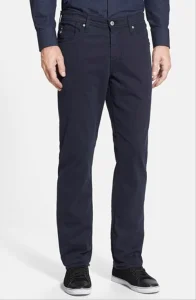
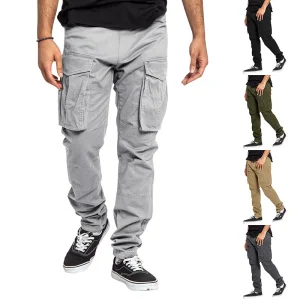
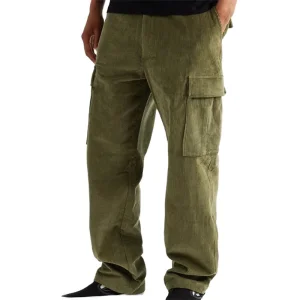
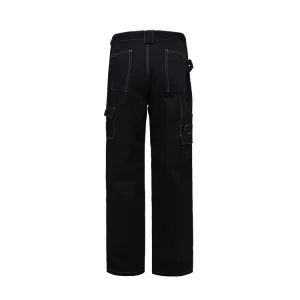
Established as a dynamic, high-capacity apparel manufacturing force, Dongguan DAVERA Fashion Co., Ltd. specializes in the R&D, design, customization, and global exportation of premium trousers, technical workwear, and modern casual bottoms. Operating out of the world's manufacturing capital—Dongguan, China—we seamlessly integrate fabrics innovation, advanced pattern cutting, structural reinforcement, and strict multi-phase quality inspections to deliver world-class apparel solutions.
With dedicated supply lines optimized for extreme maritime climates, we provide resilient, highly breathable, and saline-tolerant apparel specifically configured for Kiribati's demanding equatorial weather and growing infrastructure sectors.

Engineered for High-Performance Workforces and Urban Wear in Kiribati's Tropical Environment
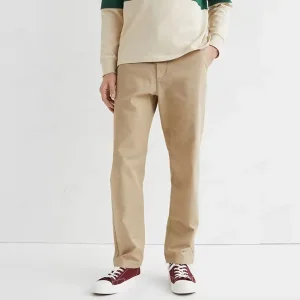
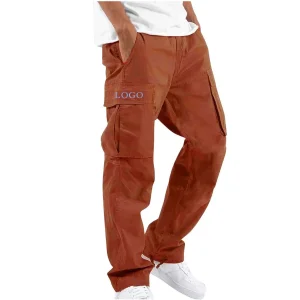
Kiribati, a sovereign archipelagic nation spanning the central Pacific Ocean, presents unique environmental and logistics scenarios for commercial apparel procurement. Located across a vast maritime region, its municipal centers—such as South Tarawa and the outer islands like Kiritimati (Christmas Island)—experience a continuous equatorial maritime climate. This translates to constant exposure to high temperatures (consistently averaging 28°C to 32°C), persistent humidity levels often exceeding 80%, and saline-rich atmospheric conditions.
For public utility enterprises, maritime logistics organizations, hotel groups, and administrative divisions operating in Tarawa, sourcing functional trousers is not merely an aesthetic choice; it is a question of structural durability and physiological comfort. Standard high-density synthetic pants lock in body heat, leading to heat exhaustion, sweat rashes, and early textile disintegration under intense solar radiation. Consequently, the demand is growing exponentially for long-staple cotton-rich chino fabrics woven with specialized micro-openings to allow heat expulsion while maintaining professional structure.
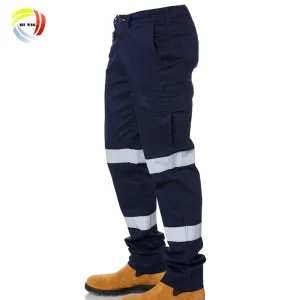
Additionally, infrastructure projects funded by international development agencies require high-visibility, wear-resistant chino trousers capable of withstanding coral gravel abrasion, machinery contact, and saltwater exposure. By bridging these requirements with advanced material science, DAVERA offers Kiribati businesses a dedicated import channel for climate-optimized apparel.
Optimized tariff handling and scalable MOQ structures designed for small-to-medium enterprise buyers throughout the Gilbert, Line, and Phoenix Islands.
Anti-saline polymer treatments prevents salt-spray corrosion on brass zippers, eyelets, and snaps, increasing garment lifespans by up to 240%.
Weave density structured at 220–260 GSM (Grams per Square Meter), striking a perfect equilibrium between professional opacity and heat dissipation.
At Dongguan DAVERA Fashion Co., Ltd., our production philosophy revolves around structural intelligence. Traditional chinos are prone to vertical shrinkage, seam ripping under physical exertion, and rapid color fading when washed in mineral-heavy hard water—a common scenario in communities utilizing desalinated groundwater or rain-catchment systems.
To address these real-world challenges, we utilize three key textile breakthroughs:
Our manufacturing plant in Dongguan operates under ISO 9001:2015 specifications. From computer-guided CAD pattern nesting (which reduces material waste to less than 8%) to automated lockstitching, every chino trouser exported represents the cutting edge of industrial fashion engineering.

Before any shipment leaves our shipping bays, it undergoes a rigorous 4-step QA analysis: fiber identification, tensile burst testing, colorfastness validation under simulated sunlight, and dimensional stability checks (wash-shrinkage testing).
This operational focus ensures that whether you are distributing to government departments in Betio, maritime crews on local container vessels, or eco-resort staff in Kiritimati, the garments remain intact, professional, and comfortable.
Request Certification ReportsShipping to Kiribati presents distinct geographical realities. With major maritime shipping loops routing via Fiji, Brisbane, or Auckland, shipping transit times can be extended. DAVERA has established optimized shipping channels utilizing maritime partners to ensure cost-effective container delivery directly to the Port of Betio.
We manage the full array of paperwork required for compliance with the Kiribati Customs Service, ensuring accurate customs declarations, certificate of origin filings, and tariff classifications (HS Code 6203.42 for Cotton Trousers for Men). By standardizing export documentation, we eliminate unnecessary port delays and demurrage costs for our importers.
Furthermore, our packaging is specially upgraded for long-transit sea freight. Every single carton is lined with water-barrier polyethylene liners and moisture-absorbing silica gel bags. This safeguards the chinos from mold, dampness, and atmospheric salt contamination during their journey through tropical sea shipping routes.
Our 5-Year strategy for sustainable and functional apparel manufacturing for the Pacific region.
Integrating organic organic cotton and bamboo-derived viscose to maximize internal cooling and skin comfort in humid climates.
Transitioning to AI-driven layout tools that minimize fabric remnants to less than 4%, lowering raw material input costs.
Adopting fluorine-free, biodegradable water and stain repellents for heavy-duty outdoor workwear applications.
Establishing localized distribution warehousing partnerships in key Pacific ports to reduce transit wait times to under 14 days.
Direct from DAVERA's High-Capacity Dongguan Factory for Kiribati Retail and Institutional Buyers
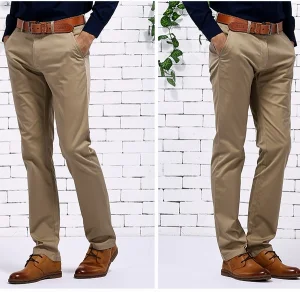
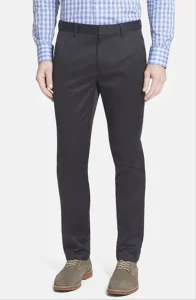
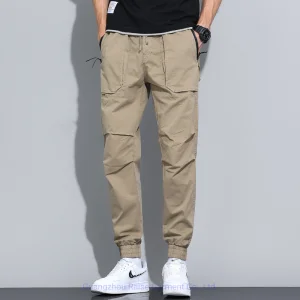
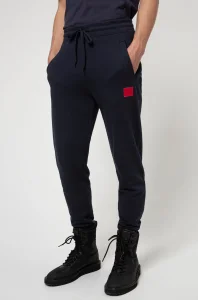
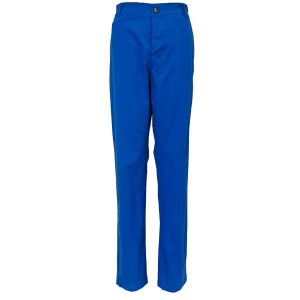
Addressing Crucial Questions Regarding Pacific Bulk Shipments, Customized Fabric Specifications, and OEM Procedures
Contact our Dongguan-based manufacturing engineers today to receive comprehensive material catalogs, physical lab-dip samples, and detailed pricing proposals structured for Kiribati importers.
Send Inquiry Now DAVERA Fashion